
Storing leather furniture safely requires more than just moving it into a storage unit. Leather is highly sensitive to temperature changes, humidity, sunlight, and even improper positioning, which can cause cracking, fading, stretching, or mold growth over time.
In Stewartville, MN, seasonal swings, from cold, dry winters to humid summers, make careful preparation essential to preserve your furniture’s look, feel, and durability. Proper cleaning, climate protection, and smart storage techniques can prevent costly damage and keep your leather furniture looking like new for years.
This guide offers practical, step‑by‑step strategies to keep your leather furniture protected, clean, and ready for years of use.
At a Glance
Cold, dry winters can crack leather, while humid summers increase the risk of mold, making proper cleaning and conditioning essential before storage.
Consistent temperature and humidity levels help prevent cracking, fading, and mildew buildup common in Stewartville’s weather patterns.
Cotton blankets or padded furniture covers allow airflow and prevent moisture from getting trapped, which is critical during humid Stewartville, MN, summers.
Elevating furniture, allowing airflow on all sides, and avoiding stacking protect your leather from impressions, sagging, and moisture in Stewartville storage units.
Clean units, strong security, and storage environments well-suited for Stewartville’s climate help preserve the look, structure, and longevity of your leather furniture.
Why Should You Store Leather Furniture Properly?
Leather furniture is an investment, and improper storage can lead to cracks, fading, or mildew, especially in Stewartville, Minnesota, where winters are dry and summers can be humid. Careful preparation preserves both appearance and structural integrity over time.
Here’s why proper leather storage makes a real difference:
Prevents cracking and drying: Conditioning and cleaning leather before storage helps maintain moisture and suppleness despite Stewartville’s seasonal swings.
Avoids mold and mildew: Protecting furniture from humidity, spills, and poor airflow keeps leather safe from stains and odors.
Maintains structural integrity: Storing furniture upright with proper support prevents sagging, warping, or frame damage.
Protects against pests: Covering and sealing pieces prevents insects or rodents from damaging leather or wood components.
Preserves color and finish: Shielding furniture from sunlight, dust, and temperature extremes prevents fading or discoloration.
When done correctly, proper storage ensures your leather furniture stays beautiful, durable, and ready for use whenever you bring it back out of storage.
Need secure, accessible storage in Stewartville? Bear Cave Storage offers a range of unit sizes, 24/7 security, and easy drive-up access. Rent Online
How to Store Leather Furniture in a Storage Unit? Step-by-Step Guide
Storing leather furniture in Stewartville, MN, requires careful preparation due to its seasonal climate changes. Cold, dry winters can cause leather to crack or stiffen, while hot, humid summers increase the risk of mold, mildew, and fading.
Inside storage units, these climate factors can be amplified if the space is not climate-controlled or properly ventilated. Understanding how temperature swings, humidity, and moisture exposure affect leather is key to keeping your furniture in pristine condition during storage.
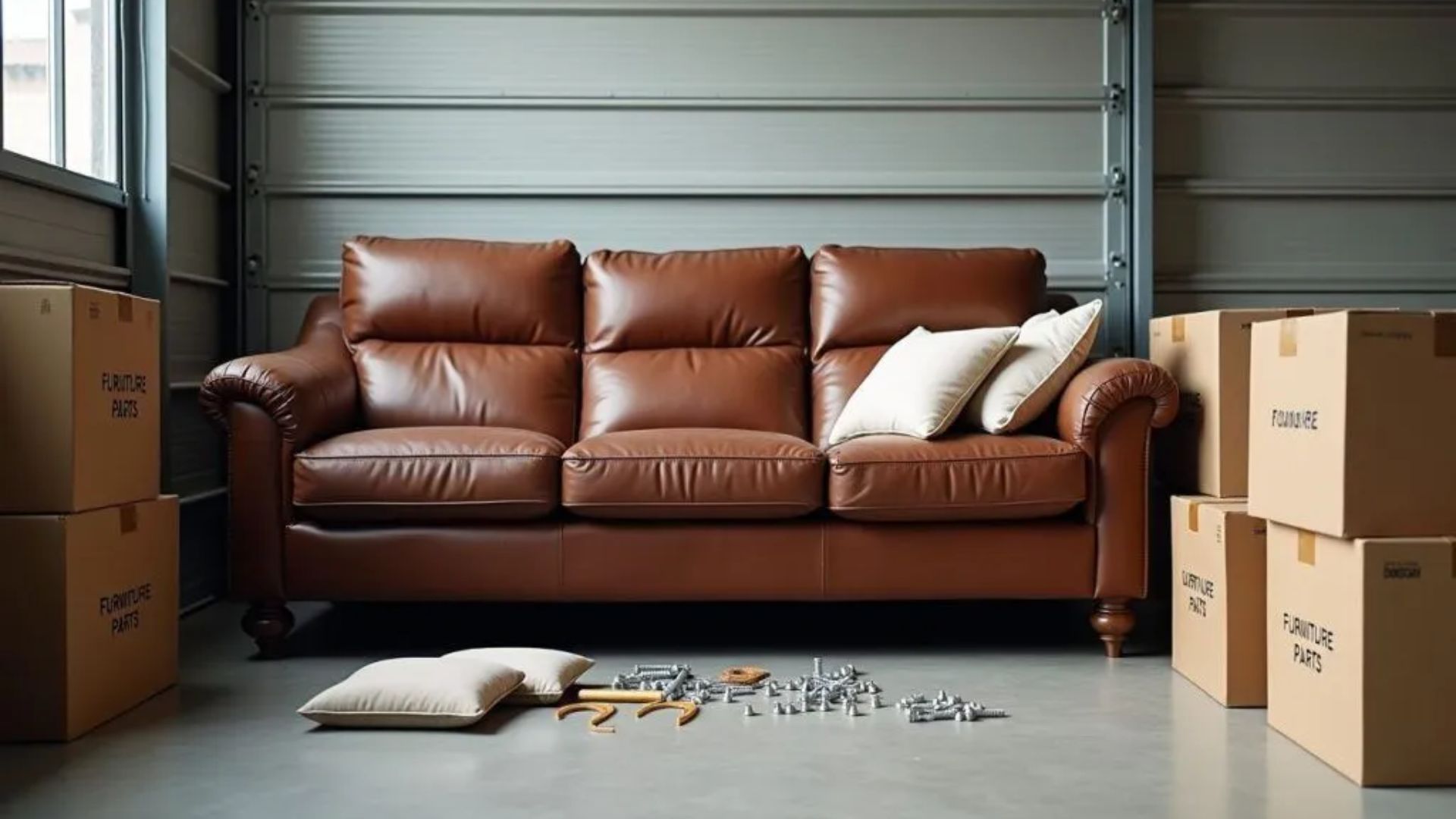
To keep your leather furniture looking and feeling its best, it’s important to follow a careful storage process to protect it from damage:
Step 1: Clean and Condition Your Leather
Before storing leather furniture, a thorough cleaning and conditioning routine is essential. Vacuum debris, wipe surfaces lightly with a 50/50 vinegar-and-water solution, and allow furniture to dry completely. Then, apply a leather conditioner to preserve suppleness and prevent cracks.
Why It Matters:
Prevents damage: Dust, crumbs, and dirt can scratch or stain leather over time.
Maintains flexibility: Conditioning keeps leather soft, reducing the risk of cracks during Stewartville’s dry winters.
Reduces odors and mold: Proper cleaning and drying prevent musty smells or mildew from forming.
Takeaway: Starting with a clean, conditioned surface ensures leather stays soft, odor-free, and fully protected against seasonal weather swings in Stewartville.
Step 2: Cover Furniture Properly
Wrap leather furniture in breathable materials such as cotton blankets or padded furniture covers before storing. Avoid plastic, which traps moisture and promotes mildew growth.
Why It Matters:
Ventilation: Breathable covers allow air circulation, reducing condensation damage.
Scratch protection: Blankets or pads shield leather surfaces from abrasions during storage or moving.
Moisture control: Prevents mold and mildew, particularly during humid Stewartville summers.
Takeaway: Using breathable covers protects leather from scratches, moisture, and mold while keeping the surface ventilated and clean.
Step 3: Use Climate-Controlled Storage if Possible
Temperature and humidity extremes can harm leather. Climate-controlled storage keeps your furniture at a consistent temperature and regulates moisture. If unavailable, moisture absorbers like silica gel or charcoal can help.
Why It Matters:
Prevents cracking: Stable temperatures stop leather from drying out in cold, dry winters.
Reduces mold risk: Humidity control prevents mildew growth during humid summers.
Protects finishes: Consistent conditions prevent fading, warping, or leather stiffening.
Takeaway: Climate protection ensures your leather furniture maintains its shape, finish, and durability despite seasonal fluctuations in Stewartville.
Step 4: Position Furniture Carefully in Your Unit
Elevate furniture on pallets, leave space from walls, and avoid stacking heavy items on cushions. Central placement improves airflow around the furniture.
Why It Matters:
Moisture prevention: Elevating off the floor prevents water damage from spills or minor flooding.
Shape maintenance: Leaving space around furniture prevents unwanted impressions or flattening of cushions.
Air circulation: Proper placement reduces heat or humidity buildup that can harm leather.
Takeaway: Correct positioning protects leather furniture from structural and moisture damage while keeping airflow optimal for long-term storage.
Step 5: Check and Maintain Periodically
Even in storage, inspecting furniture every few months ensures leather stays in good condition. Rotate cushions, adjust covers, and check for signs of moisture, pests, or mold.
Why It Matters:
Early detection: Spot issues before they cause permanent damage.
Cushion care: Rotating cushions prevents uneven wear and lasting divots.
Environmental control: Adjust covers or moisture absorbers based on Stewartville’s seasonal changes.
Takeaway: Regular checks keep leather furniture soft, clean, and fully protected, ensuring it remains ready for use when retrieved from storage.
By following these careful steps, your leather furniture will stay protected, maintain its natural luster, and be ready for use whenever you retrieve it.
Why Stewartville’s Climate Makes Leather Storage Tricky
Storing leather furniture in Stewartville, MN, requires careful attention due to seasonal extremes. For instance, a high-end leather sofa stored during winter can develop cracks in its cushions if the air is too dry, while the same piece stored during humid summer months without proper ventilation may develop mold along seams and corners.
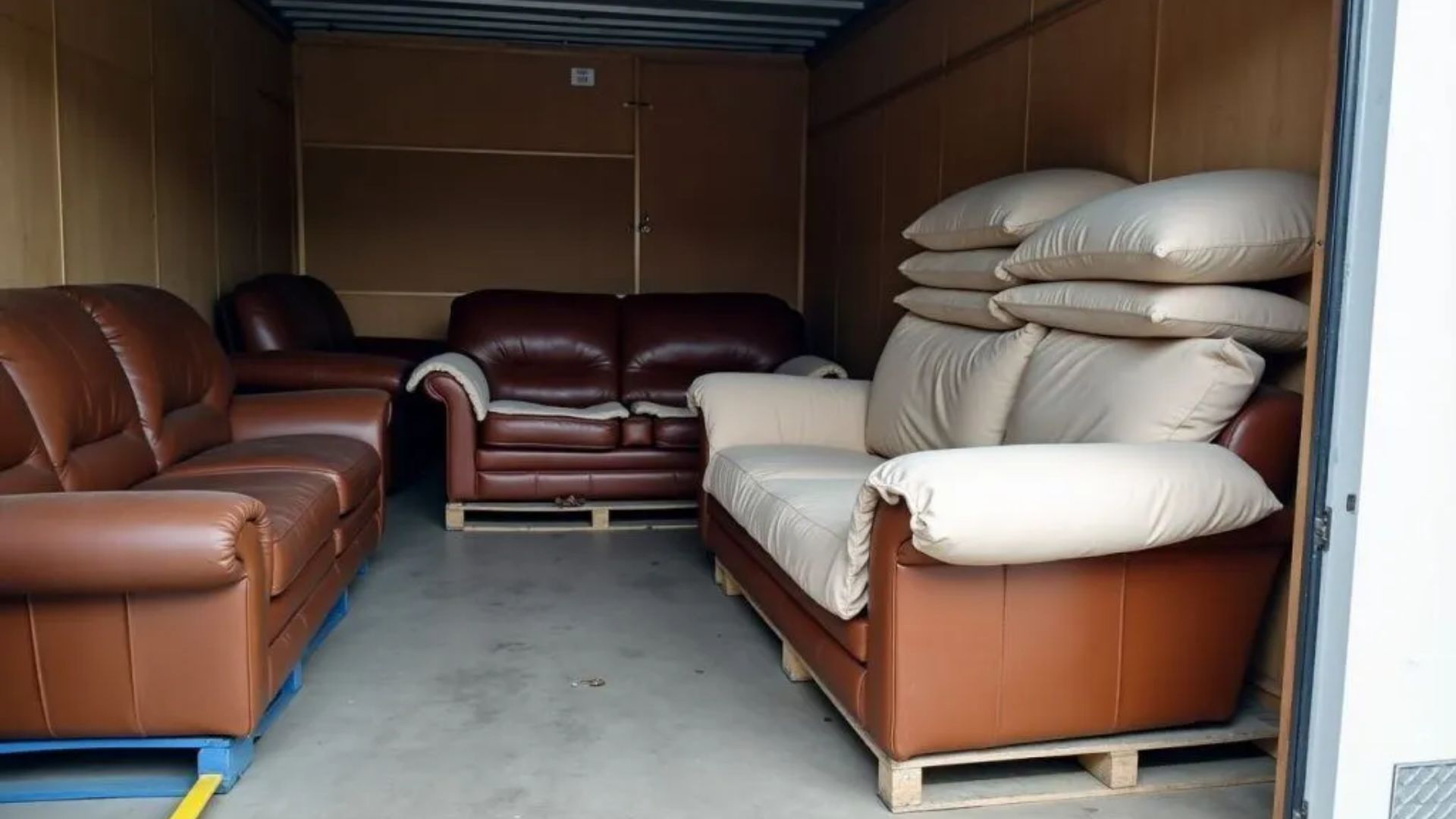
Anticipating these risks and taking preventative steps helps preserve both the look and longevity of your furniture:
Challenge 1: Cracking from Dry Winter Air
The cold, dry air in Stewartville during winter can rapidly dehydrate leather, causing it to stiffen, crack, or lose its natural suppleness. This is particularly concerning for aged or high-quality leather.
Solution: Apply a high-quality leather conditioner before storing to replenish natural oils. Use a climate-controlled storage unit that maintains moderate humidity levels to prevent extreme drying. Additionally, avoid storing leather furniture near direct heat sources in your storage unit.
Challenge 2: Mold and Mildew from Humid Summers
Summer humidity in Stewartville can encourage mold and mildew growth, especially if leather furniture is stored in enclosed units without proper airflow. Even brief exposure to high moisture can leave stains or cause odors.
Solution: Cover furniture with breathable fabrics like cotton or padded moving blankets. Elevate pieces on pallets to allow air circulation beneath. Place moisture absorbers, such as silica gel packs or dehumidifiers, around the unit to regulate humidity and minimize mold risk.
Challenge 3: Scratches and Surface Damage
Leather surfaces are susceptible to scratches, scuffs, or dents from careless handling or placing other items on top during storage. These surface blemishes can become permanent if left unprotected.
Solution: Wrap furniture thoroughly in padded moving blankets or cotton covers to cushion it against impacts. Position furniture in the center of the storage unit, leaving space on all sides, and never stack other items directly on top. Consider adding corner protectors for added safety during movement.
Challenge 4: Pest Infestation
Rodents and insects may be attracted to storage units or leather furniture, potentially causing chewed leather, scratches, or damage to wooden legs and frames.
Solution: Inspect and clean furniture thoroughly to remove crumbs, grease, or residue before storage. Use sealed, breathable covers and elevate furniture on pallets to reduce access for pests. Consider placing natural repellents nearby, such as cedar blocks, to deter insects.
Challenge 5: Uneven Shape or Impressions
Leather furniture can lose its shape, develop creases, or suffer permanent indentations if stored improperly under pressure or in a tight space. This risk is higher for sofas with plush cushions or recliners.
Solution: Choose a storage unit that comfortably accommodates the furniture with clearance on all sides. Avoid placing heavy objects on cushions or pressing furniture against walls. If possible, periodically adjust positions to relieve pressure points and maintain shape.
Understanding these common risks and proactively addressing them ensures your leather furniture stays safe, supple, and ready for use.
Why Choose Bear Cave Storage for Your Leather Furniture?
Bear Cave Storage offers the ideal environment and reliability needed to keep leather pieces in top condition during long-term or seasonal storage.
Exclusively built for residents of Stewartville, MN, who want safe, low-stress storage, Bear Cave combines the convenience of self-storage with features that support the special care leather requires.
Here are some key highlights:
Clean, well-maintained units: Dust, debris, and dampness can damage leather over time. Bear Cave’s clean, dry units help preserve the finish, texture, and color of your furniture.
Consistent protection from Stewartville’s weather shifts: Their storage environment shields leather from cold, dryness, and moisture, conditions that often cause cracking, warping, or mildew during Stewartville’s seasonal transitions.
Secure and accessible self-storage: With gated entry, modern surveillance, and easy drive-up access, Bear Cave lets you store high-value leather pieces with confidence while still handling your items at your own pace.
Various unit sizes for bulky furniture: Whether you’re storing a leather sectional, recliner, or multiple chairs, you can choose a unit size that fits without squeezing or stacking, both of which can damage leather surfaces.
With dependable security, thoughtful facility upkeep, and storage environments suitable for sensitive materials, Bear Cave Storage in Stewartville, MN gives your leather furniture the protection it needs to stay supple, clean, and ready to enjoy when you bring it back home.
Final Takeaway
Storing leather furniture safely starts with thoughtful prep, the right environment, and consistent protection. Small details like conditioning, covering, and climate control make all the difference in preserving softness, color, and structural integrity.
The best leather furniture storage goes beyond convenience. It relies on stable conditions, good airflow, and secure facilities. Bear Cave Storage in Stewartville, MN, offers clean, reliable, and easily accessible units that help shield your leather furniture from dryness, humidity, pests, and long-term wear.
Ready to store your leather furniture with confidence? Contact Bear Cave Storage today.
FAQs
1. Do I really need climate-controlled storage for leather furniture in Stewartville?
Yes. Stewartville’s dry winters and humid summers can crack, fade, or mold leather. Climate control keeps temperature and humidity stable.
2. How long should I let my leather furniture dry before storing it?
At least 24–48 hours. Stewartville’s climate can trap moisture inside units, so ensuring the leather is fully dry prevents mold and odors.
3. Can I use plastic wrap to protect leather furniture in storage?
No. Plastic traps moisture, especially during Stewartville’s humid months, leading to mildew. Use cotton blankets or padded covers instead.
4. How often should I check leather furniture in a Stewartville storage unit?
Every 1–2 months. Seasonal changes can affect humidity levels, so checking helps catch dryness, mold, or pests early.
5. What storage unit size is best for a leather sofa or sectional?
Most Stewartville renters choose a 10×10 or 10×15 unit. This leaves breathing room around the furniture, helping maintain shape and airflow.