
Storing appliances isn’t as simple as placing them in a unit and locking the door. Whether you’re preparing for a move, downsizing temporarily, or keeping items safe during a renovation, household appliances need extra care to prevent damage, mold, electrical issues, or long-term wear.
Improper storage can shorten an appliance’s lifespan, lead to expensive repairs, or make the item unsafe to use later. That’s why planning ahead makes all the difference.
This guide breaks down practical, step-by-step strategies for storing appliances safely in 2026, helping you protect your investment, free up space, and avoid common mistakes that lead to costly damage. Whether you're storing a refrigerator, washer, dryer, or smaller kitchen devices, these ideas will help you keep everything in top shape until you need them again.
At a Glance
Stewartville homeowners can clean and prep appliances to prevent mold, odors, and mechanical damage, keeping them ready for use after storage.
Protect from moisture and pests using breathable covers, dehumidifiers, and inspections for long-term safety in Minnesota’s humid summers or cold winters.
Handle carefully, keep upright, and elevate on pallets to avoid leaks, structural damage, or electrical issues during transport or local storage.
Organize and label cords, manuals, and parts to prevent loss, scratches, and make retrieval easier in local Stewartville units.
Choose secure, climate-controlled facilities like Bear Cave Storage in Stewartville, MN, for protection against theft, weather, and wear.
Why Storing Appliances Properly Matters
Storing appliances can extend their lifespan and prevent unnecessary damage. Many items are sensitive to moisture, dust, and long periods of inactivity, so careless storage often leads to repairs or early replacement.
With the right preparation, like cleaning, drying, and securing each appliance, you can keep everything in good working order. A little planning goes a long way, helping your appliances stay safe, efficient, and ready for use when you bring them back home.
Here’s why careful appliance storage makes a real difference:
Avoids costly damage: Appliances exposed to moisture, dust, or temperature swings in Stewartville’s fluctuating weather can develop rust, wiring issues, or mold.
Maintains long-term performance: Clean, dry, and well-prepared appliances last longer and restart smoothly after months in storage.
Prevents safety issues: Properly draining, unplugging, and securing internal components reduces electrical hazards or leaks.
Saves space efficiently: Organized storage planning ensures appliances like refrigerators, washers, or microwaves don’t consume more room than necessary.
Protects against pests: Sealed doors and cleaned interiors help keep insects or rodents out, especially during long-term storage.
When done correctly, storing appliances safeguards your investment, keeps your home clutter-free, and ensures everything works as expected when you bring it back into service.
For residents of Stewartville, choosing a local storage facility with climate-controlled units can be especially beneficial. Protecting appliances from the area’s seasonal temperature swings and humidity ensures they remain in peak condition, giving homeowners peace of mind and convenience.
Need secure, accessible storage in Stewartville? Bear Cave Storage offers a range of unit sizes, 24/7 security, and easy drive-up access. Rent Online
25 Ideas for Storing Appliances Safely in 2026

Storing appliances the right way keeps them clean, functional, and ready for use, whether you’re preparing for a move, remodeling, or setting aside equipment for long-term storage. The most effective approach combines proper cleaning, protection from moisture, safe handling, and smart placement inside your storage unit.
Below are 25 detailed ideas to help you store appliances safely, with practical steps, risks to avoid, and insights to keep your items in working condition:
1. Clean Appliances Thoroughly Before Storing
A deep clean is the first step in protecting any appliance going into storage. Removing dirt, grease, and leftover moisture helps prevent odors, corrosion, and internal damage over time.
A well-cleaned appliance enters storage in its best condition, making it safer, fresher, and ready for use when brought back home.
2. Keep Doors Slightly Open to Prevent Mold
Leaving appliance doors slightly ajar allows air to circulate inside, preventing moisture buildup that can cause mold, mildew, and unpleasant odors. This is especially important for refrigerators, freezers, and washing machines, where trapped dampness can damage interiors over time.
Keeping doors open keeps appliances dry, fresh, and ready for use when removed from storage.
3. Remove All Water From Washers and Dishwashers
Before storing washers and dishwashers, draining every drop of water from hoses, tanks, and dispensers is crucial. Residual water can freeze, corrode internal components, or breed mold during off-season storage in Minnesota winters.
Thoroughly emptied appliances stay in optimal condition, reducing the risk of leaks, mechanical failure, or foul smells when brought back into service.
4. Protect Appliance Coils and Vents
Coils, vents, and grills on appliances like refrigerators, freezers, and air conditioners are vulnerable to dust, dirt, and physical damage during storage. Covering these components with breathable material or protective pads prevents bending, blockages, or heat inefficiency.
Preserving coils and vents ensures appliances maintain energy efficiency and continue functioning properly after storage.
5. Remove Loose or Detachable Parts
Detachable shelves, drawers, knobs, and trays should be removed before storing appliances to prevent breakage and scratches. Storing these parts separately and labeling them helps maintain organization and prevents loss.
Keeping removable components safe ensures the appliance remains complete, undamaged, and ready for immediate use once storage ends.
6. Wrap Appliances With Breathable Materials
Covering appliances with breathable fabrics, like cotton or specialized storage covers, shields them from dust and minor scratches without trapping moisture. Avoid plastic wraps that can cause condensation and rust over time.
Proper wrapping keeps surfaces clean, reduces corrosion risk, and ensures appliances stay in pristine condition during storage.
7. Protect Appliances From Moisture in Storage
Moisture can warp, rust, or damage appliance components, so using moisture absorbers like silica gel packs or dehumidifiers is essential. Placing appliances off the floor on pallets or raised surfaces further prevents water exposure.
Effective moisture control prolongs appliance lifespan and maintains performance after storage, particularly during Stewartville’s humid summers or wet seasons.
8. Use Climate-Protected Storage for Sensitive Appliances
Appliances sensitive to temperature fluctuations like refrigerators, freezers, or electronics benefit from climate-controlled units. Maintaining stable temperature and humidity prevents warping, condensation, or internal damage.
Climate-controlled storage in Stewartville ensures these appliances remain safe, efficient, and ready for immediate use.
9. Keep Appliances Upright During Transport and Storage
Tilting or laying certain appliances, such as refrigerators or freezers, can damage internal components or fluid systems. Always transport and store appliances upright to prevent leaks, compressor damage, or malfunction.
Upright positioning preserves functionality and avoids costly repairs after storage.
10. Avoid Stacking Heavy Items on Appliances
Placing heavy objects on top of stored appliances can bend panels, damage controls, or impair mechanical components. Keep storage areas organized so appliances are free from external weight.
Preventing stacking ensures appliances remain structurally sound and fully operational after retrieval.
11. Cover Appliance Feet and Edges to Prevent Scratches
Corners, edges, and feet of appliances are especially prone to scratches, dents, and paint chipping during movement and storage. Wrapping them with foam, cloth, or protective padding cushions impacts and prevents damage.
For Stewartville storage units, padded feet also protect flooring and pallets from wear. This step preserves the appliance’s appearance, maintains resale value, and reduces long-term cosmetic wear.
12. Label Power Cords and Pack Them Properly
Appliance cords can easily tangle, fray, or get misplaced if not managed carefully. Coiling cords neatly, securing them with Velcro or twist ties, and labeling each one ensures quick identification and safe reconnection later.
In Stewartville, MN, where storage units may house multiple appliances, labeling prevents confusion and accidental unplugging. Proper cord organization prevents electrical damage, reduces setup time, and protects both the appliance and user during reinstallation.
13. Store Appliances Away From Walls
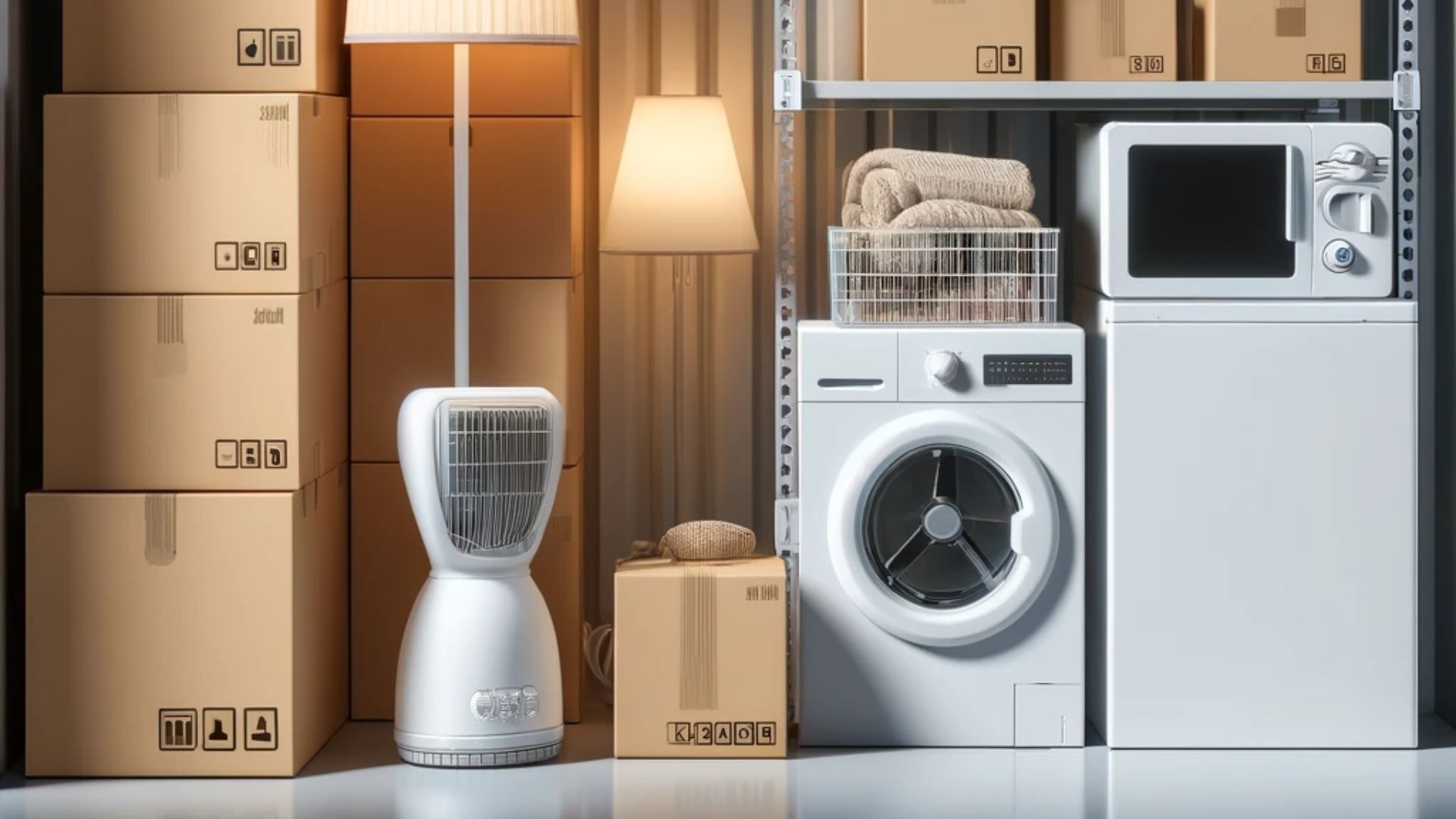
Placing appliances directly against walls can trap moisture, promote mold growth, and cause paint or metal corrosion over time. Keeping a small gap allows for proper airflow around the unit, preventing dampness and heat buildup. Stewartville’s winter humidity and snow melt can create moisture risks, making airflow critical.
This spacing also minimizes accidental scratches or dents from moving nearby items, preserving both appearance and operational efficiency.
14. Protect Glass Components With Cushioning
Glass doors, shelves, and panels are fragile and highly susceptible to cracks or shattering during storage or transport. Wrapping these parts in bubble wrap, foam, or soft blankets absorbs shocks and prevents sudden impact damage.
Proper cushioning ensures the glass remains intact, safe, and fully functional when the appliance is unpacked.
15. Use Pallets or Platforms to Elevate Appliances
Direct contact with storage floors exposes appliances to potential moisture, spills, or dust accumulation. Placing units on pallets or raised platforms elevates them above minor flooding or damp surfaces, while also allowing airflow underneath to prevent mold or rust.
In Stewartville, this protects appliances from potential basement or drive-up unit dampness during spring rains. Elevation also improves long-term protection, extends appliance lifespan, and keeps them ready for immediate use without additional cleaning.
Store Smart in Stewartville! Make room at home and protect seasonal items with secure, climate‑controlled storage near you. Reserve Your Unit Now!
16. Defrost Freezers Completely Before Storing
Ice or frost left inside freezers can melt over time, causing water damage, mold growth, and unpleasant odors that compromise stored appliances. Fully defrosting, wiping down all surfaces, and leaving doors open to air-dry prevents leaks, preserves seals, and maintains hygiene.
Stewartville’s cold winters make proper defrosting especially critical to avoid frozen water turning into ice inside storage. This also ensures the freezer is ready for immediate use when retrieved, and reduces the risk of costly cleaning or repairs after storage.
17. Check for Pests Before Storing Kitchen Appliances
Crumbs, grease, or leftover food inside appliances can attract rodents and insects, which may chew wiring or leave droppings. Thoroughly inspecting and cleaning interiors, vents, and trays ensures no pests remain before storage.
This step protects the appliance’s internal components, preserves hygiene, and avoids infestations that could damage other stored items.
18. Store Small and Large Appliances Separately
Stacking small appliances with larger, heavier units increases the risk of scratches, dents, and accidental tipping. Separating items by size allows safer organization, easier access, and reduces the chance of mechanical damage.
Properly grouped appliances also maximize space efficiency while keeping delicate components safe.
19. Keep Manuals and Screws in Labeled Bags
Loose screws, brackets, and instruction manuals are easy to misplace during moves or storage. Storing them in labeled bags attached to the corresponding appliance ensures every part is accounted for.
This simplifies reassembly, prevents confusion, and avoids extra costs or delays when reinstalling appliances.
20. Stabilize Drum Components in Washers
Unsecured washer drums can shift during transport or while sitting in storage, putting stress on internal suspension systems and bearings. Using shipping bolts or padding to stabilize drums prevents movement and protects mechanical parts from misalignment or damage.
For Stewartville storage movers, securing drums reduces noise complaints and potential damage in shared units. Proper stabilization ensures the washer operates correctly and avoids costly repairs when put back into service.
21. Store Appliances With a Light Interior Deodorizer
A mild deodorizer helps prevent lingering odors from developing inside appliances during long-term storage. Using baking soda or specialized appliance deodorizers absorbs moisture and neutralizes smells without damaging surfaces.
In Stewartville’s humid summers, this step helps prevent musty odors in indoor units. This keeps interiors fresh and ready for immediate use when retrieved.
22. Give Refrigerators Time to Rest Before Powering Back On
After moving or storage, refrigerators and freezers need time to settle before reconnecting to power. Waiting 2–4 hours allows oils and refrigerants to redistribute, preventing compressor strain or mechanical failure.
Local Stewartville appliance experts recommend waiting, especially after moving units in cold winter conditions. This step protects the appliance and ensures efficient operation from the start.
23. Use Dolly Straps and Proper Equipment for Transport
Securing appliances during transport prevents tipping, scratches, and internal damage. Dolly straps, moving blankets, and appliance trolleys stabilize heavy units and reduce handling stress.
In Stewartville, where many units are drive-up or multi-level, proper equipment prevents accidents and preserves appliance integrity. Safe transport minimizes repair needs and preserves both exterior and mechanical components.
24. Create a Safe Layout Inside Your Storage Unit
Organizing appliances with proper spacing prevents accidental bumps, scratches, or damage to vents and controls. Keeping heavier items at the base and fragile ones on top protects surfaces and reduces handling risks.
A thoughtful layout improves accessibility and ensures all appliances remain in good condition.
25. Choose a Storage Facility With Solid Security and Maintenance
Selecting a facility with 24/7 surveillance, climate control, and regular maintenance safeguards appliances from theft, moisture, and environmental damage.
Well-managed facilities, like Bear Cave Storage in Stewartville, MN, provide peace of mind and ensure stored appliances stay in optimal condition until retrieval.
These 25 ideas can help you prevent damage, odors, and mechanical issues, ensuring each appliance stays safe, functional, and ready for use. Choosing the right storage environment further safeguards your investment, giving you peace of mind whether storing short-term during a move or long-term for future use.
Why Choose Bear Cave Storage for Your Appliances?
For homeowners and renters in Stewartville, MN, Bear Cave Storage offers more than just extra space. It provides security, climate protection, and peace of mind for your valuable appliances.
Combining family-owned care with professional-grade facilities, it ensures your appliances stay safe from moisture, pests, and long-term wear.
Highlights for Appliance Storage:
Climate-Controlled Units: Protect sensitive appliances like refrigerators, washers, and electronics from Stewartville’s seasonal swings.
Robust Security Measures: Gated access, surveillance cameras, and on-site staff safeguard your belongings against theft or damage.
Flexible, User-Friendly Options: Various unit sizes, drive-up access, and online management make storing and retrieving appliances convenient and hassle-free.
With secure, well-maintained facilities and adaptable storage solutions, Bear Cave Storage in Stewartville ensures your appliances remain protected and ready for use when you need them.
Final Takeaway
Storing appliances safely starts with preparation, proper handling, and choosing the right storage environment. Small details like cleaning, moisture protection, and organization make a big difference in maintaining functionality and longevity.
The most effective appliance storage combines careful planning, climate protection, and secure facilities rather than relying on convenience alone. Bear Cave Storage in Stewartville, MN, offers climate-controlled, secure, and well-maintained units that keep your appliances safe, organized, and ready for use when you need them.
Ready to store your appliances with confidence? Contact Bear Cave Storage today.
FAQs
1. What size storage unit is best for appliances in Stewartville?
For Stewartville homeowners, measure your largest appliance (refrigerator, washer, or dryer) and leave extra space for access. Units 10x10 or 10x15 are commonly ideal for multiple household appliances.
2. Are climate-controlled units necessary in Stewartville?
Yes. Stewartville experiences cold winters and humid summers. Climate-controlled units protect sensitive appliances from temperature swings, moisture, and frost damage.
3. Can I store appliances outdoors in Stewartville?
Outdoor storage is risky due to snow, rain, and temperature fluctuations. Indoor or climate-protected units at local facilities like Bear Cave Storage are safer.
4. How should I transport appliances to a Stewartville storage facility?
Use dollies, straps, and blankets to secure appliances. Stewartville’s drive-up units often require navigating stairs or ramps, making proper equipment essential for damage-free transport.
5. Do I need to prep appliances differently for long-term storage in Stewartville?
Yes. Fully clean, defrost freezers, drain washers, remove detachable parts, and use deodorizers. Stewartville’s seasonal humidity and cold winters make these steps crucial to prevent mold and mechanical issues.