Did you know that when water inside your boat freezes, it expands by about 9% and can create extreme pressure? This pressure can crack engine blocks, split hoses and waterlines, damage fiberglass hulls, and ruin onboard refrigeration systems. Many boat owners only discover the full extent of this damage when spring arrives.
Without the proper storage and preparation, even minor issues can worsen over time, leading to corrosion, mechanical failures, and costly repairs that shorten your vessel’s lifespan. Choosing a secure facility and following essential winterization steps ensures your boat remains safe and ready for spring.
In this blog, you'll learn practical winter boat storage solutions and preparation tips to help you protect and maintain your boat safely throughout the off-season in Stewartville.
Key Takeaways
Prevent Freeze Damage and Corrosion: Winter boat storage is crucial to prevent freeze damage, corrosion, and mechanical component wear.
Choose the Right Storage Facility: Selecting a secure facility in Stewartville safeguards your investment throughout the season.
Proper Winter Preparation: Cleaning, draining, and winterizing your boat reduces maintenance and repair costs in spring.
Maintain Batteries and Moving Parts: Keeping batteries, fuel systems, and moving parts in good condition ensures your boat is ready for use immediately after winter.
Perform Regular Storage Checks: Regular inspections prevent pest infestations, moisture buildup, and unexpected damage during storage.
Understanding Winter Boat Storage Options in Stewartville
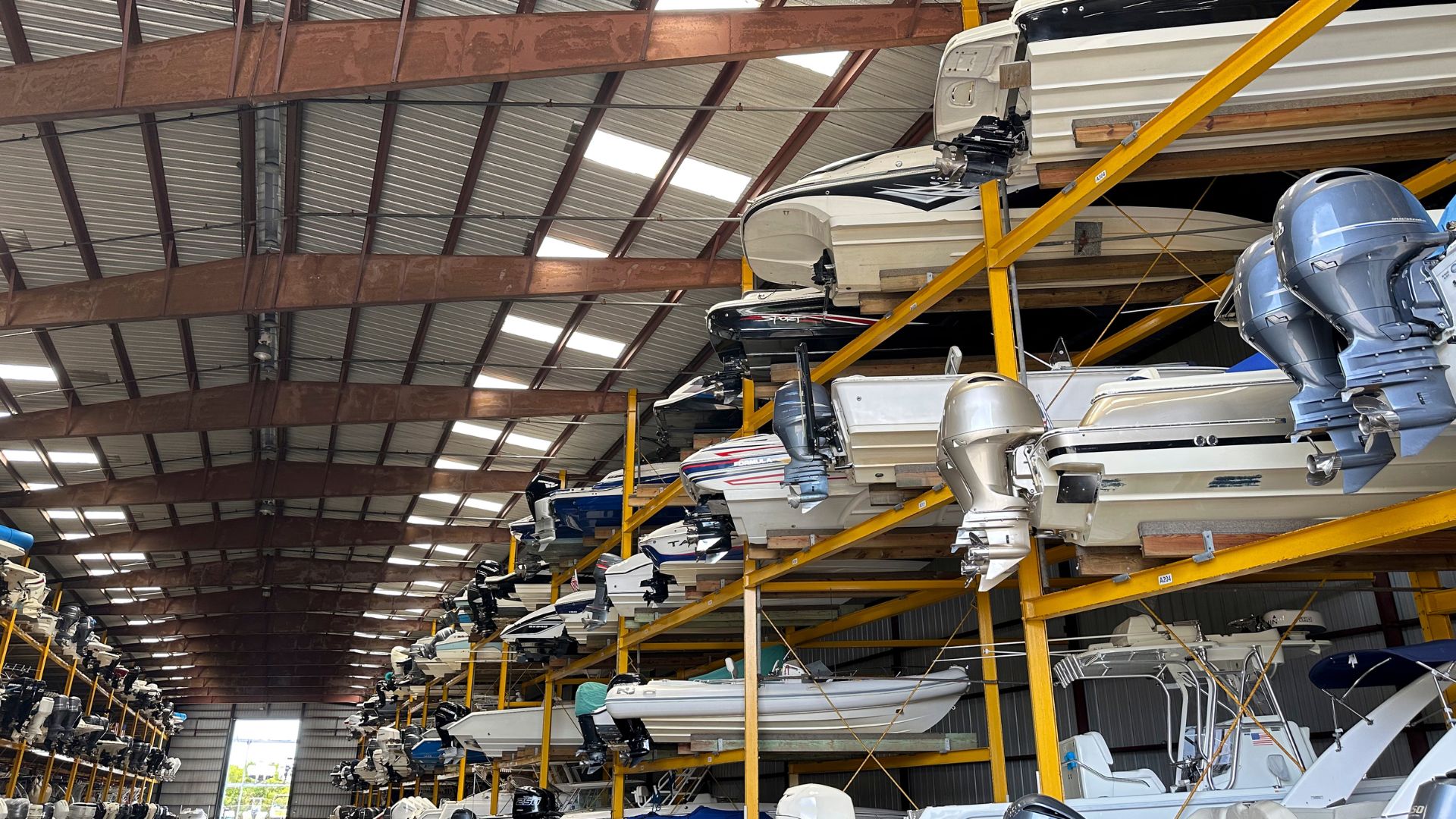
Boat owners in Stewartville have several options for winter storage, each offering varying levels of protection and convenience. Selecting the right choice depends on your boat’s size and value, as well as the level of security it needs during the colder months.
Indoor Dry Boat Storage
Provides maximum protection from weather, moisture, and pests. Ideal for high-value boats or those with sensitive electronics. Indoor storage keeps the ship in a controlled environment, reducing the risk of corrosion and winter damage.
Outdoor Dry Boat Storage
Protects your boat from snow, ice, and debris while keeping it elevated above ground. Covers or shelters allow ventilation, reducing moisture buildup. Suitable for owners who want moderate protection without the cost of indoor storage.
Shrink-Wrapping
Offers a tight, protective layer around the boat, preventing water penetration, debris accumulation, and pest intrusion. Shrink-wrapping works well for boats stored outdoors in areas prone to heavy snow or storms.
In-Water Boat Storage
Some owners opt to keep their boats in the water during winter, using docks or marinas with winter maintenance services. This requires careful monitoring of ice formation, water levels, and securing the boat against strong currents or storms.
Using a Boat Lift
A boat lift raises the vessel out of the water, reducing exposure to ice and moisture. It can be used with covered or open storage and helps prevent hull damage caused by freezing water or submerged debris.
Once you understand the available storage options in Stewartville, the next step is choosing a facility that offers the right combination of security, convenience, and services for your boat.
Choosing the Right Winter Boat Storage Facility
Finding a secure storage facility in Stewartville is key to keeping your boat safe from winter damage and seasonal wear. Consider these factors when making your choice:
1. Security Measures to Protect Your Boat
A secure facility protects your boat from theft, vandalism, and unauthorized access.
Check for gated entry and on-site surveillance cameras.
Ask if the facility employs security personnel or patrols.
Look for controlled access to individual units or storage bays.
2. Access and Convenience
Convenient access ensures you can reach your boat when needed without complications.
Verify if the facility allows 24/7 access or has specific operating hours.
Confirm any rules for weekend or holiday visits.
Ensure access aligns with your personal or business schedule.
3. Reputation and Reviews
Customer feedback provides insight into the facility’s reliability and service quality.
Read online reviews and testimonials from local Stewartville boat owners.
Ask about experiences with winter storage, maintenance, and responsiveness.
Consider recommendations from fellow boaters or local boating clubs.
4. Additional Maintenance Services
Additional maintenance services reduce the effort required to winterize and prepare your boat.
Ask if seasonal winterization, battery care, or engine protection is offered.
Confirm if they provide shrink-wrapping or other protective coverings.
Check for optional pre-season inspections or spring start-up services.
If you’re looking for a local facility that offers secure outdoor and shared indoor storage options in Stewartville, Bear Cave Storage provides the kind of access, protection, and space flexibility that boat owners typically need for winter storage.
Once you’ve selected a secure and reliable facility, the next step is preparing your boat for winter to ensure it remains in top condition throughout the season.
How to Prepare and Winterize Your Boat: 10 Key Steps
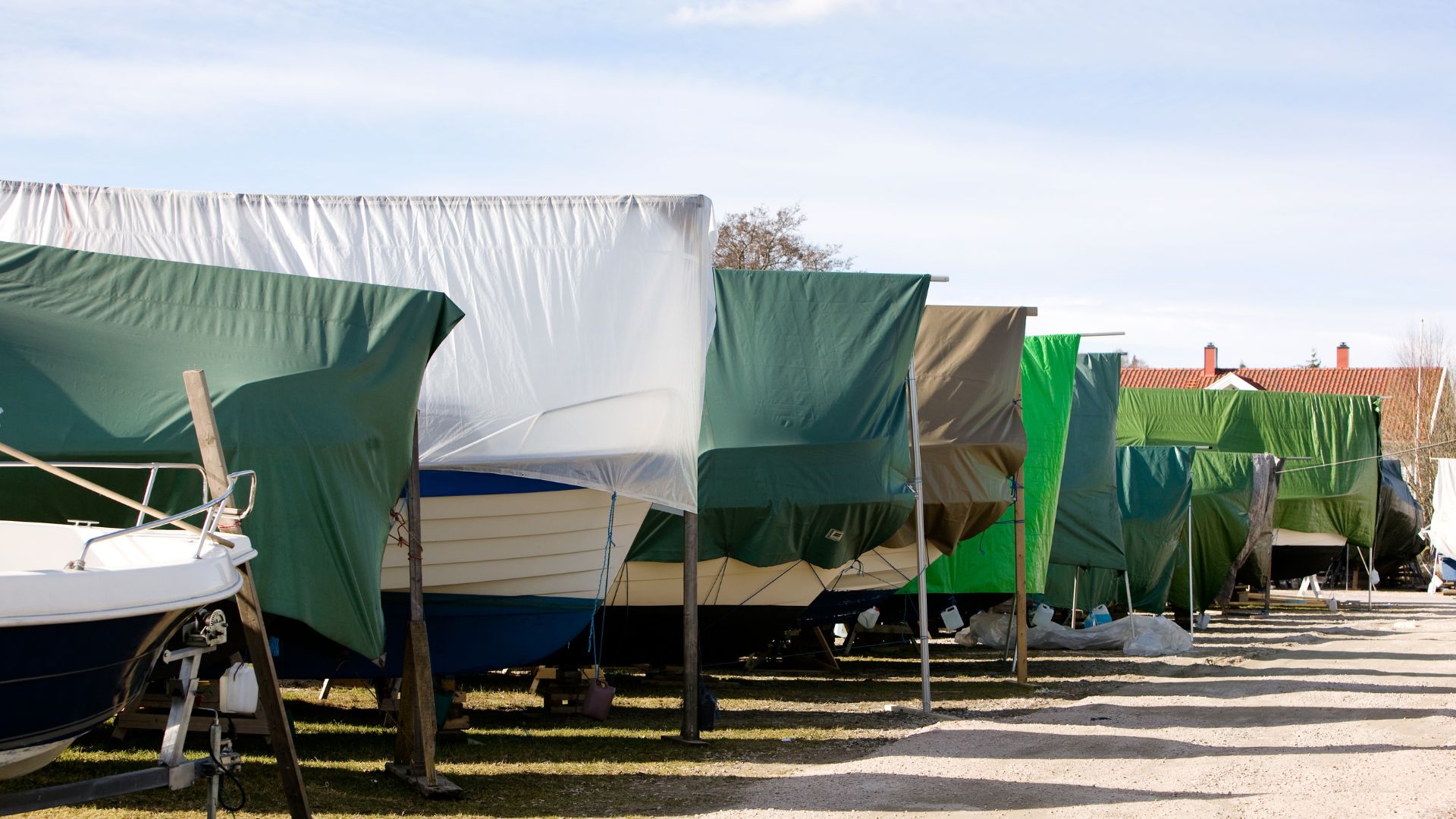
Winterization protects your vessel from freeze damage, corrosion, and pests, ensuring it’s ready for spring use. Each step addresses a specific part of your boat, so following them systematically minimizes risks during storage.
Step 1. Final Run and Condition Check
A short run before storage helps you evaluate how the engine and onboard systems behave under load. This allows you to identify issues while components are still warm and functioning.
What To Do:
Observe RPM stability during idle and acceleration for signs of misfiring
Inspect the hull exterior for stress cracks and areas where gelcoat is thinning
Test steering play by rotating the wheel fully and checking for binding
Examine hoses and clamps for dampness that indicates slow leaks
Step 2. Thorough Cleaning of Interior and Exterior
Cleaning eliminates salt, biological growth, and trapped debris that can degrade surfaces or retain moisture during storage.
What To Do:
Use a marine-grade brush to clear algae and scale from the hull
Disinfect compartments and storage lockers to minimize mold potential
Apply vinyl cleaner followed by a mildew-inhibiting conditioner on seats
Allow complete drying before applying a uniform coat of marine wax for surface sealing
Step 3. Drain All Water-Handling Systems
Frozen water expands and can cause pipe ruptures, pump damage, and cracked fittings. Draining prevents internal pressure buildup during freeze cycles.
What To Do:
Open all drain valves on bilge and plumbing systems until flow stops completely
Rotate seacocks through their full range to ensure unobstructed movement
Spray the bilge with a corrosion-preventive lubricant after drying
Fill plumbing lines and heads with marine antifreeze to protect low points
Step 4. Protect the Engine for Winter
Engine components are vulnerable to corrosion and internal moisture during long storage. Proper treatment maintains lubrication and freeze protection.
What To Do:
Run clean water through the raw-water intake until discharge flows clear
Add antifreeze into the system while monitoring temperature changes at the outlet
Replace oil and filters after the engine warms slightly for better drainage
Inject fogging oil into cylinders to protect piston walls and rings
Loosen belt tension to prevent memory-setting and rubber fatigue
Step 5. Prepare the Fuel System
Stabilized fuel prevents varnish formation and moisture accumulation inside the tank and fuel lines.
What To Do:
Fill the tank to roughly 95% to limit condensation
Add the correct volume of stabilizer based on fuel tank capacity
Run the engine long enough for treated fuel to circulate through the injectors
Inspect the fuel-water separator and clean or replace it if debris is present
Step 6. Lubricate All Key Components
Metal parts exposed to air and residual moisture corrode quickly during storage. Proper lubrication maintains smooth operation and. protects moving hardware.
What To Do:
Grease all steering cable fittings and pivot points
Apply corrosion-resistant lubricant to throttle controls and linkage joints
Remove the propeller and inspect for a wrapped line that can damage the seal
Grease the propeller shaft before reinstalling to ensure a smooth startup in the spring
Step 7. Remove and Maintain the Battery Correctly
Cold temperatures reduce battery efficiency and accelerate discharge. Storing the battery separately helps preserve its health.
What To Do:
Disconnect the negative terminal first to avoid accidental shorting
Clean corrosion from terminals using a baking soda solution
Store the battery on a wooden or insulated surface in a dry room
Charge monthly and record voltage readings to monitor health
Note: If your boat has multiple batteries, label each one before removal so you can reconnect them correctly in the spring.
Step 8. Take Out Vulnerable Materials and Electronics
Soft materials trap moisture, and electronics react poorly to extreme temperature fluctuations. Removing them reduces damage risk.
What To Do:
Store life jackets, cushions, and fabric items indoors to prevent mildew
Remove navigation electronics and cover connectors with dielectric grease
Wrap exposed cable ends with waterproof electrical tape
Place all stored items in a ventilated, low-humidity environment
Step 9. Seal Openings and Cover the Boat
A sealed and properly covered boat stays protected from moisture, wind-driven debris, and wildlife intrusion.
What To Do:
Tape over exhaust openings to block rodents and insects
Install a fitted winter cover or request professional shrink wrapping
Elevate the bow slightly to encourage runoff and prevent pooling
Inspect tie-down straps and adjust tension to withstand wind load
Note: Use vented supports or cover vents to allow airflow and reduce interior moisture buildup
Step 10. Conduct Regular Winter Inspections
Even a fully winterized boat benefits from periodic checks to prevent unnoticed issues from progressing.
What To Do:
Confirm the cover remains tight and shows no signs of tearing
Look for early signs of mold or water accumulation around deck edges
Ensure boat stands or blocks remain stable and level
Verify the stored battery maintains voltage within a safe range
Properly winterizing your boat protects it from damage and keeps it ready for spring. Storing it in a safe, secure facility ensures it stays in top condition all season. For reliable winter storage in Stewartville, visit Bear Cave Storage or rent online.
Conclusion
Proper winterization and storage protect your boat from freeze damage, corrosion, and pest-related issues. Taking these steps ensures your vessel remains in excellent condition and ready for spring, reducing costly repairs and maintenance.
For Stewartville boat owners, Bear Cave Storage offers secure, monitored indoor and outdoor winter storage solutions, along with seasonal support for winterization and maintenance. Their facilities cater to both families and businesses, providing peace of mind throughout the colder months.
Protect your investment today. Visit Bear Cave Storage to reserve your winter storage spot or rent online in minutes, and see how our services keep your boat safe all season. Contact us today.
FAQs
1. Can I store my boat in Stewartville if it’s oversized or unusually shaped?
Yes. Many Stewartville storage facilities, including Bear Cave Storage, offer flexible units and specialized bays for oversized boats, pontoons, or vessels with custom hull shapes. Make sure to confirm dimensions, access requirements, and any lifting equipment if your boat is taller or wider than standard storage spaces.
2. How can I prevent mold and mildew in my boat during winter storage?
Proper ventilation, moisture-absorbing products, and thoroughly drying your boat before storage are key. Removing cushions and fabrics, sealing openings, and using desiccants or small dehumidifiers inside storage units significantly reduces mold and mildew growth during the off-season.
3. Is it safe to leave my boat’s fuel in the tank over winter?
Yes, but always fill the tank to around 95% and add a fuel stabilizer. This prevents condensation and oxidation that can degrade fuel quality. Running the engine briefly after adding stabilizer ensures treated fuel circulates through lines, injectors, and carburetors.
4. Do winter storage facilities in Stewartville offer pest protection?
Yes. Many Stewartville facilities use pest deterrents such as sealed storage bays, rodent-proof covers, and regular inspections. Some also maintain controlled environments and tight-fitting barriers to prevent rodents, birds, and insects from entering or nesting in your boat during winter.
5. Can I prepare my boat for winter storage myself, or should I hire a professional
You can handle many winterization tasks yourself, such as cleaning, draining water systems, and applying antifreeze. However, complex tasks such as engine fogging, shrink-wrapping, or pre-season inspections are best handled by professionals at Stewartville facilities like Bear Cave Storage to ensure complete protection.