The open road may call you toward new adventures, but every RV or boat owner faces the same challenge once the trip ends, like finding a safe, convenient place to store their vehicle. Most homes aren’t built for oversized parking, and HOA restrictions make long-term driveway storage nearly impossible. That’s why dedicated RV and mini-storage facilities have become essential for today’s travelers.
With RV ownership rising and vehicles becoming larger and more advanced, specialized storage is in higher demand than ever. Modern facilities like RV & Mini Storage offer secure lots, wide aisles, and flexible storage options designed for both short-term and year-round needs.
This guide covers everything you should know before choosing RV & Mini Storage in Stewartville.
At a Glance
RV ownership is rising in 2026, making secure, off-site RV and mini storage essential for homeowners facing HOA and space restrictions.
From open lots to fully enclosed storage condos, modern RV storage offers flexible protection for every budget and vehicle type.
Covered and enclosed RV storage protects your investment from sun, snow, moisture, and long-term weather damage year-round.
Wide drive aisles, gated access, and 24/7 monitoring make modern RV storage facilities safer and easier to use than home parking.
Bear Cave Storage in Stewartville offers secure, weather-protected RV and boat storage with easy access and local customer support.
The Rising Need for RV & Mini Storage in 2026
The surge in RV travel and recreational boating hasn’t slowed down, and neither has the need for reliable storage. RVs continue to grow in popularity, with shipments rising year over year, and the number of new owners increasing nationwide.
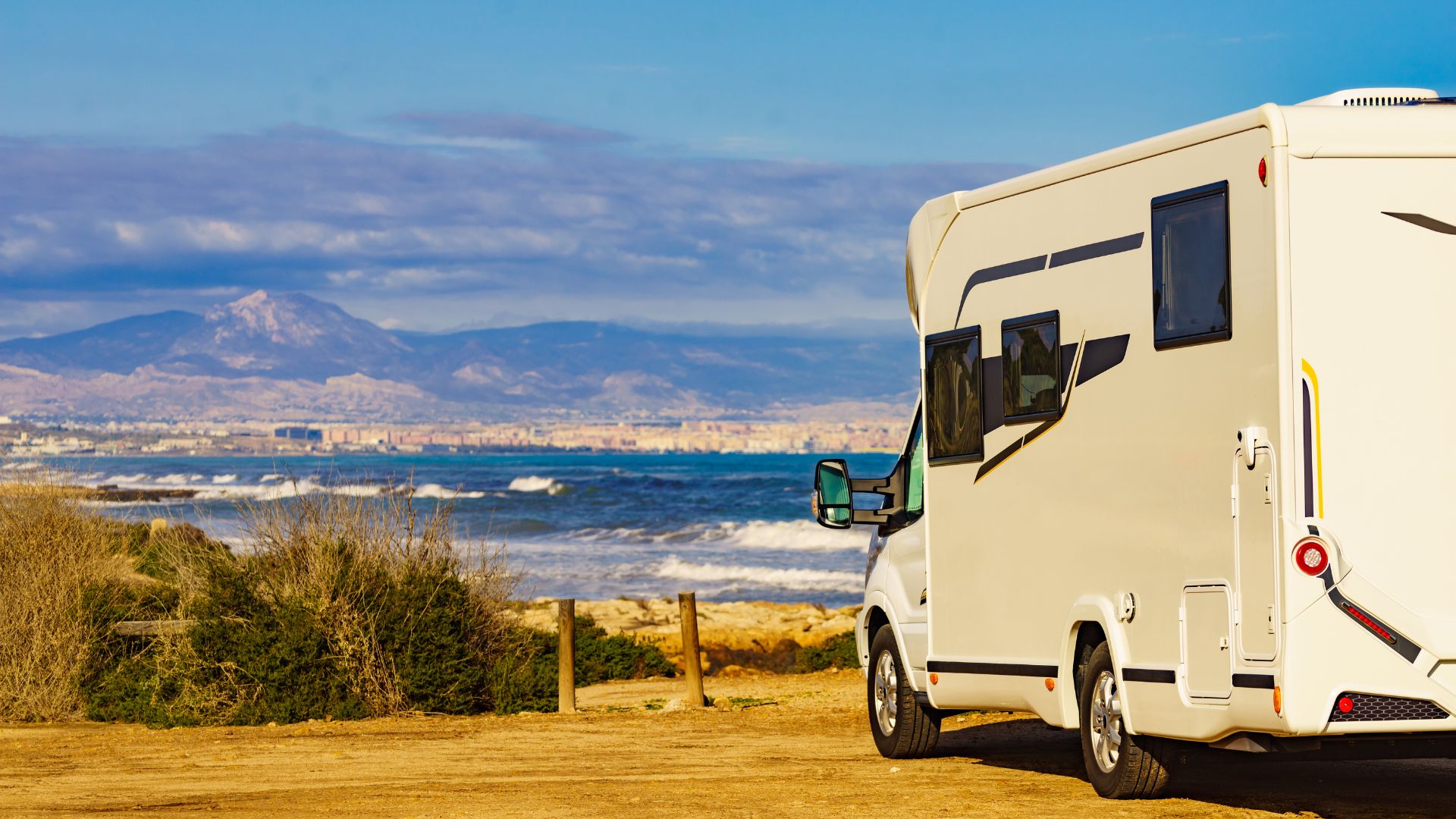
As more people adopt road-trip and outdoor lifestyles, the question becomes: Where do you keep these large vehicles when they’re not on the move?
In communities like Stewartville, where outdoor recreation, lake travel, and seasonal road trips are part of everyday life, the demand for dependable RV and boat storage continues to grow. With limited residential parking and strict local zoning rules, many owners turn to nearby storage facilities to keep their vehicles secure between trips.
These factors explain why RV and mini storage has become essential in 2026:
1. Limited Space at Home: Most neighborhoods, especially those with HOAs, don’t allow RVs, boats, or trailers to be parked in driveways or along the street.
Even for homeowners with the room, storing a 20- to 40-foot vehicle on the property is often impractical. This creates strong demand for secure, off-site storage built specifically for oversized vehicles.
2. Seasonal Use Creates Long Storage Periods: RVs and boats are rarely used year-round. Many owners take them out only during travel months or specific seasons, leaving the vehicle parked for most of the year.
This makes dedicated storage not just convenient, but necessary, offering stable, predictable occupancy for facilities.
3. Protection From Weather and Wear
Sun exposure, snow, ice, hail, and moisture can quickly damage a vehicle’s exterior, tires, seals, and interior. A proper RV/boat storage facility helps protect against these elements, extending the lifespan of expensive recreational vehicles.
From open-air lots to covered and fully enclosed units, many facilities offer tiered protection to match different needs and budgets.
4. A Growing Community of RV Travelers
As more families, retirees, and weekend travelers embrace the RV lifestyle, storage facilities have become part of that ecosystem, helping owners maintain their vehicles safely between trips while freeing up space at home.
RV and mini storage is a core part of ownership for anyone who wants to protect their investment and keep their vehicle road-ready when adventure calls.
Types of Boat & RV Storage (and What They Offer)
Choosing the right storage setup is essential for protecting RVs and boats from weather, theft, and long-term wear. Modern facilities offer multiple storage types, each with different levels of security, coverage, and cost.
Here’s a closer look at the main options:
1. Open Lot Storage
This is the most basic and affordable type of RV and boat storage, like an outdoor, gated parking area with no roof or walls. While it provides secure placement, it offers no protection from sun, snow, or rain, and many newer developments avoid this option due to city restrictions and reduced aesthetic appeal.
Best For: Owners seeking low-cost storage for older RVs or seasonal vehicles.
2. Canopy (Covered) Storage
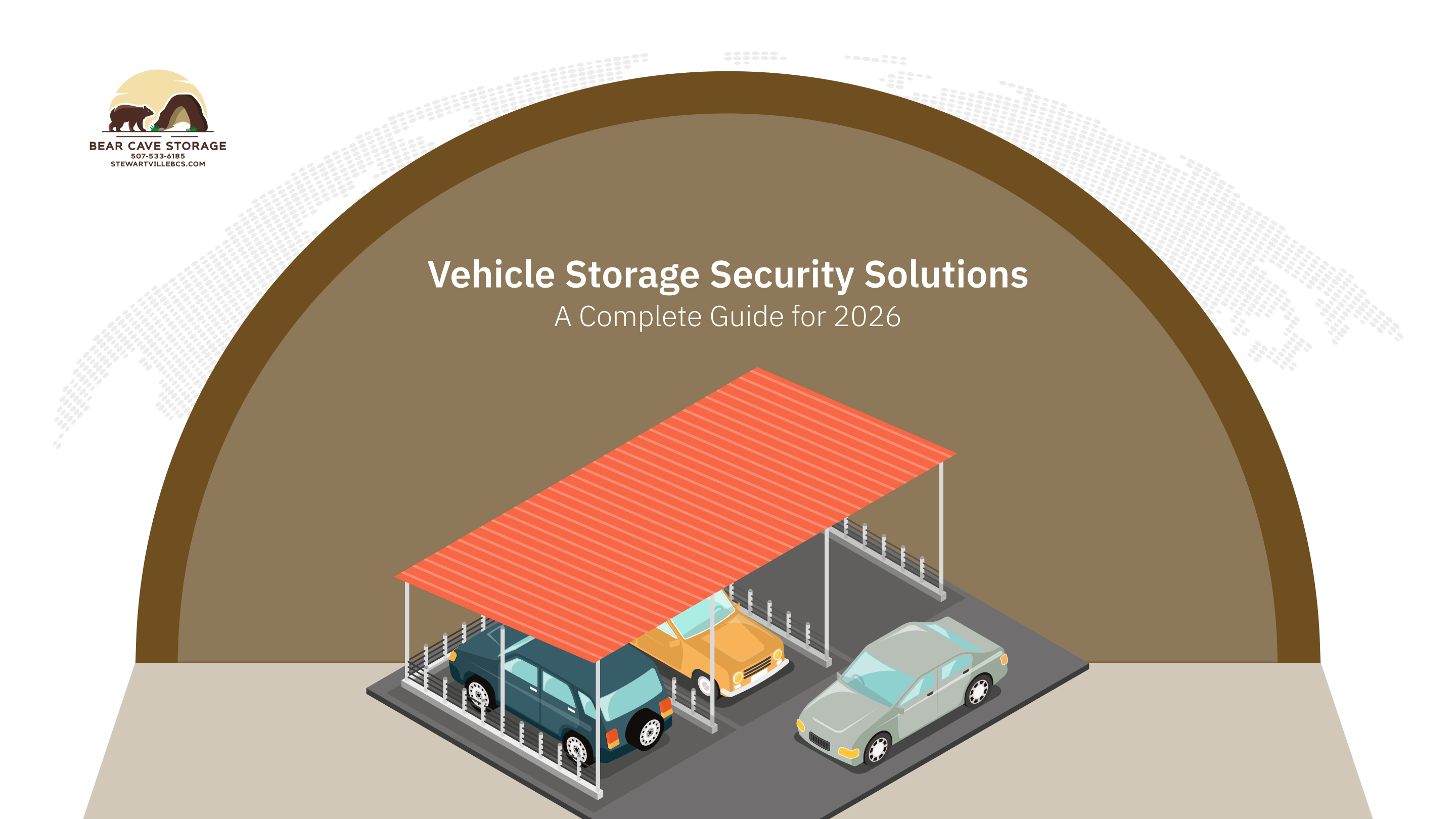
A canopy structure adds a roof but leaves the sides open. It shields RVs and boats from direct sun and precipitation, offering a solid balance between affordability and protection. However, exposure to wind-driven rain or snow remains a concern.
Best For: Mid-range budgets and owners wanting basic weather protection without the cost of an enclosed unit.
3. Three-Sided Canopy Storage
These units include a roof and three enclosed sides, offering improved defense against sideways rain, drifting snow, and harsh winds. Although they provide more coverage, they still leave the front open, making them less secure than fully enclosed units.
Best For: Regions with heavy rain or snow, or customers looking for more shelter while staying cost-conscious.
4. Fully Enclosed Storage Units
This is the premium standard in RV and boat storage. These garage-style units include four walls and a roll-up door, offering maximum security and full protection from weather, pests, and vandalism. They also help maintain the condition of high-value RVs and boats.
Best For: Owners of newer or high-end vehicles, or anyone wanting complete protection and privacy.
5. Enclosed Condo-Style Storage
Here, customers own the unit rather than rent it. Ownership allows upgrades such as power, lighting, mezzanines, water access, or even climate control. These personalized “storage condos” cater to enthusiasts who treat their vehicles as long-term investments.
Best For: High-end customers who want customization, security, and a garage-like space built to their exact needs.
Choosing the right type of RV or boat storage depends on your vehicle, budget, and how often you use it. From basic open lots to fully enclosed condos, each option offers a different balance of cost, protection, and convenience.
Tips for Choosing the Right Storage Option
Choosing the right setup for your RV, boat, or trailer goes beyond picking an open space. It’s about matching your vehicle’s needs with the right level of protection, convenience, and budget. Before committing, take a moment to evaluate what matters most to you as an owner.
Here are some key tips to keep in mind:
Assess your vehicle’s size: Measure length, height, and width to ensure the space provides enough clearance. This helps you avoid tight fits and ensures smooth parking without damage.
Consider weather exposure: Opt for covered or enclosed storage if you want added protection from sun, rain, and seasonal storms. A little extra protection can significantly extend your vehicle’s lifespan.
Check access needs: If you hit the road often, make sure the facility offers convenient access hours and easy maneuverability. Wide drive aisles and flexible hours save time during trip prep and returns.
Review security features: Gated entry, cameras, and good lighting go a long way in keeping your vehicle secure. Visible security also deters potential break-ins and gives peace of mind.
Set a clear budget: Weigh monthly costs against the protection level you need so you're getting the best long-term value. Balancing price and protection ensures you don’t overspend while keeping your asset safe.
By taking these factors into account, RV and boat owners can make a confident decision that keeps their vehicle protected year-round. The right storage choice not only safeguards your investment but also ensures it’s always ready for your next adventure.
Understanding the Roadblocks in RV & Boat Storage
Even with growing demand, RV and boat owners often run into a few common hurdles when choosing the right storage setup. Understanding these challenges helps owners make smarter storage decisions.
Here are some common pain points and their corresponding solutions:
1. Challenge: Limited Space at Home
Many RV and boat owners simply don’t have the driveway or yard space to keep large vehicles on their property.
Solution: Dedicated storage facilities offer oversized parking, wide aisles, and purpose-built spaces that accommodate everything from compact trailers to large Class A motorhomes.
2. Challenge: Exposure to Harsh Weather
Prolonged sun, rain, and winter conditions can damage exteriors, tires, paint, and internal systems.
Solution: Facilities that offer covered and enclosed storage give owners year-round protection, reducing long-term wear and lowering maintenance costs.
3. Challenge: Security Concerns
Storing a high-value vehicle off-site can feel risky if the location isn’t well monitored.
Solution: Modern facilities provide gated access, surveillance systems, and well-lit grounds to keep recreational vehicles secure and monitored at all times.
4. Challenge: Hard-to-Access Parking Areas
Large vehicles require room to maneuver, and tight residential streets or driveways make parking stressful.
Solution: Purpose-built storage lots include wide turning lanes, spacious drive aisles, and pull-through options that make parking straightforward, even for beginners.
5. Challenge: Seasonal Usage Patterns
RVs and boats spend most of the year unused, which creates a need for long-term, reliable storage.
Solution: Flexible month-to-month leases allow owners to store their vehicles only when they need to, without getting locked into long contracts.
By addressing these common pain points with spacious design, strong security, and flexible options, RV and boat storage facilities make ownership easier and more convenient.
Why Boat and RV Owners in Stewartville Prefer Bear Cave Storage
Bear Cave Storage in Stewartville, MN, provides a secure, convenient, and versatile solution for boat and RV storage, catering specifically to the needs of recreational vehicle owners.
Here’s why boat and RV owners choose Bear Cave Storage:
Ample Space and Variety of Units: From open lots to covered and enclosed spaces, Bear Cave offers options that fit everything from small boats to large RVs, ensuring your vehicle is stored safely without crowding or damage.
Secure Facility with 24/7 Monitoring: Gated access, digital surveillance, and on-site security give owners confidence that their investment is protected from theft or vandalism at all times.
Protection from Minnesota Weather: Units are designed to shield boats and RVs from sun, rain, snow, and seasonal temperature swings, helping prevent weather-related wear and tear.
Easy Access and Convenience: Wide drive-up lanes and online account management make moving, retrieving, or checking on your vehicle simple and efficient.
Local, Community-Focused Service: As a family-owned, Stewartville-based facility, Bear Cave offers flexible, personalized service that national chains often cannot match, catering specifically to local owners’ needs.
These features make Bear Cave Storage a trusted choice for boat and RV owners who value security, convenience, and long-term care for their vehicles.
Final Takeaway
Having the right storage solution, especially with 24/7 access, makes managing your belongings, vehicles, or business inventory easier and more flexible. Planning, organization, and selecting a facility that meets your needs are essential for maximizing convenience and peace of mind.
Bear Cave Storage in Stewartville, MN, provides secure, well-maintained units with round-the-clock access, gated security, and drive-up convenience, catering to both homeowners and local businesses. Whether storing seasonal items, recreational vehicles, or business inventory, 24/7 access ensures you can retrieve or store your belongings on your schedule.
Keep your items safe, accessible, and organized year-round. Contact Bear Cave Storage today.
FAQs
1. What size RVs can be stored at RV and mini storage facilities?
Most facilities can accommodate everything from small campers and trailers to large Class A motorhomes. Always measure your RV before choosing a unit.
2. Is covered or enclosed RV storage worth the extra cost?
Yes. Covered and enclosed storage protects against sun, snow, moisture, and long-term wear, helping preserve your RV’s condition and resale value.
3. Can I access my RV or boat at any time?
Many modern facilities, including those near Stewartville, offer 24/7 access so owners can retrieve or return vehicles on their own schedule.
4. How secure are RV and boat storage facilities?
Quality facilities use gated entry, surveillance cameras, and bright lighting to deter theft and provide peace of mind for owners.
5. Do I need insurance for RV or boat storage?
Yes. Most facilities require proof of insurance, and it’s recommended to maintain full coverage even while your vehicle is in storage.