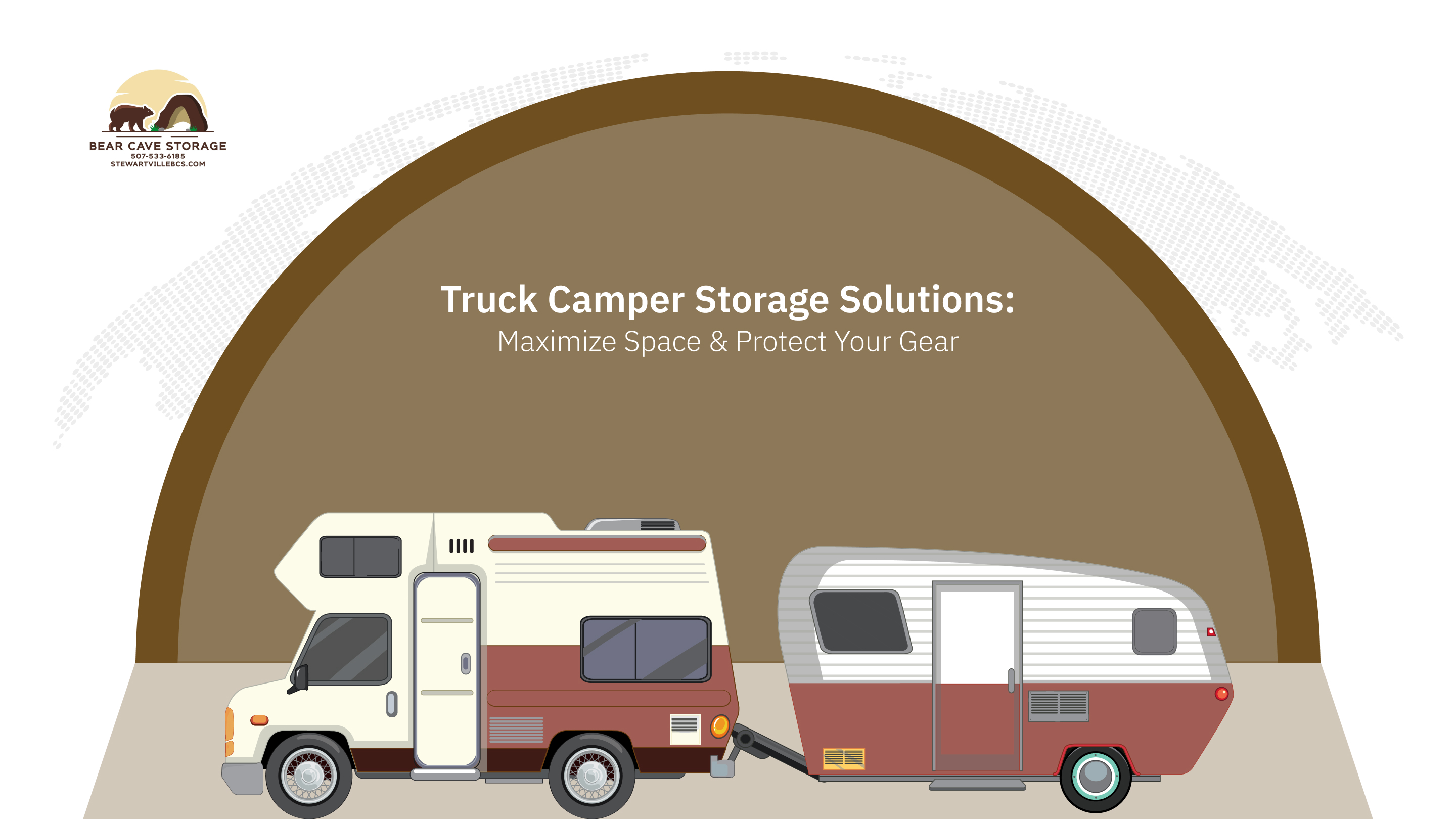
Owning a truck camper opens the door to adventure, but where do you safely store it when it’s not in use? Stewartville residents often face the challenge of protecting campers, RVs, and seasonal machinery from harsh winter weather while also managing limited storage space.
Without proper storage, valuable equipment can be damaged, clutter can accumulate, and accessing gear can become frustrating. Families and businesses alike need solutions that are secure, organized, and easy to use.
In this blog, you'll learn effective truck camper storage solutions, space-saving strategies, organization tips, and seasonal preparation methods to keep your gear protected and easily accessible.
Key Takeaways
Proper Preparation Is Key: Ensure your truck camper is clean, dry, and adequately winterized before storing it to avoid costly repairs.
Choosing the Right Storage Unit: Consider a storage unit that offers the right size, climate control, and security for your truck camper.
Organize Gear Effectively: Maximize storage space by using shelves, bins, and off-the-floor racks to keep smaller items easily accessible.
Weatherproof Your Camper: Use tarps, covers, and other protective measures to safeguard your camper from snow, ice, and extreme temperatures.
Security Measures Matter: Look for a storage solution with high-security features such as surveillance cameras, gated access, and on-site staff.
Truck Camper Storage Solutions: What You Should Know
Truck campers are a significant investment, and finding the proper storage solution is crucial for preserving their condition during the off-season. Proper storage protects your camper from environmental factors and ensures it remains in top shape for your next adventure.
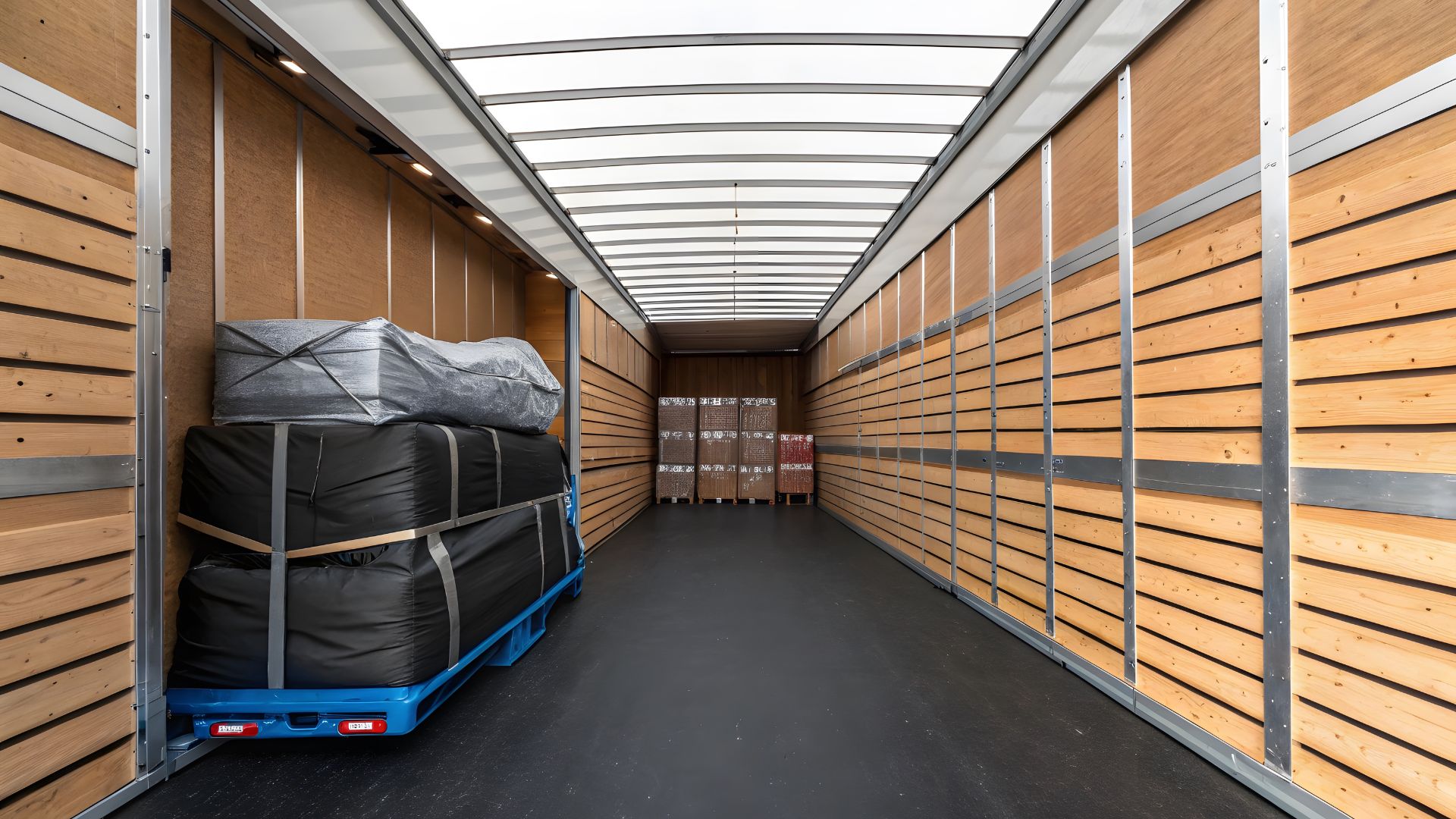
The following are key points you need to know to make an informed decision about where and how to store your truck camper.
1. Preparing Your Truck Camper for Storage
Before storing your truck camper, thorough preparation is key to protecting it from the elements and ensuring it’s ready for the next season. Properly preparing your camper can save you from costly repairs and prevent long-term damage.
Clean Inside and Out: Dirt, grime, and moisture can cause mold, mildew, and long-term damage. Thoroughly clean the interior and exterior of your camper to avoid these issues. Don’t forget to clean the wheels, undercarriage, and any other hard-to-reach areas that might accumulate dirt and salt during use.
Drain All Water Systems: To prevent frozen pipes during the winter, ensure that all water systems are drained. This includes water tanks, pipes, and water lines. For added protection, consider using RV antifreeze to protect the plumbing system.
Inspect and Service Key Components: Check your tires, battery, and engine components to ensure everything is in working order. Storing a camper with a dead battery or underinflated tires can lead to more serious issues later. Keep your camper ready for immediate use by performing these basic checks.
Winterize Your Camper: Winterizing involves taking specific steps to protect your camper's internal systems from freezing. This includes adding antifreeze to the pipes, sealing windows and doors to keep moisture out, and using moisture-absorbing products inside the camper to prevent mildew and condensation.
2. Choosing the Right Storage Facility
Selecting the right storage unit is critical to keeping your truck camper safe and secure while stored. Factors such as size, climate control, and security all play a significant role in ensuring the long-term preservation of your camper.
Select the Correct Size Storage Unit: Ensure the unit is large enough to accommodate your truck camper without forcing it into tight spaces. A cramped space can damage the structure of your camper over time. Opt for a unit that provides ample space for maneuvering and allows air circulation around your camper.
Consider Climate Control: In areas with cold winters, a climate-controlled storage unit can make all the difference. Extreme temperatures can cause damage to your camper’s interior, plumbing, and electrical systems. Climate control helps maintain a stable environment, preventing freezing, moisture buildup, and mildew growth.
Security Features: A secure facility is essential for keeping your camper safe from theft or vandalism. Look for features such as:
Gated access with security codes
24/7 surveillance cameras
On-site staff or security personnel
Well-lit storage areas to deter potential intruders
High fences and locked gates
Accessibility: Some storage facilities offer 24/7 access to your camper, while others may have limited hours. Choose a facility that provides flexible access hours, especially if you need to retrieve your camper outside normal hours. Make sure the facility is located close to your home for convenience.
3. Maximizing Space in Your Storage Unit
Maximizing the available space in your storage unit allows you to store additional gear alongside your truck camper, making efficient use of the unit and keeping your equipment organized. Proper organization can make it easier to access your items and avoid damage.
Use Shelves and Racks: Install shelves or use off-the-floor racks to store smaller items, such as camping gear, chairs, and tools. This method will help you keep things organized and prevent clutter, which could cause damage or make it difficult to find what you need.
Store Items in Bins or Containers: For easy access and to prevent items from getting dirty or damaged, store your gear in clear, stackable bins. Label each bin for quick identification. This organization method ensures you won’t waste time searching for items when you need them.
Hang Larger Items on the Walls: For large, bulky items like bikes, kayaks, or outdoor furniture, consider using hooks, hangers, or ceiling-mounted racks. This maximizes storage space inside the unit and helps prevent damage from stacking or improper storage.
Stack and Secure Properly: When stacking larger items like camping gear or outdoor equipment, ensure they’re stacked securely and safely. Avoid overloading any one area of the unit to prevent items from shifting or falling over.
4. Protecting Your Camper from the Elements
Your truck camper is exposed to the elements, even when stored. Protecting it from rain, snow, UV rays, and dust is crucial to preserving its condition and preventing deterioration over time.
Invest in a High-Quality Cover: A weather-resistant cover provides a barrier between your camper and the outside elements. Choose a cover made from a durable, breathable material that fits snugly over your camper. This will protect it from rain, snow, dirt, and UV damage.
Use Tarps for Added Protection: If you're storing your camper outdoors or in a non-climate-controlled unit, consider using an additional tarp for extra protection. Ensure that it’s securely fastened to prevent wind damage and water pooling.
Seal Off Moisture: To prevent moisture from building up inside your camper, use moisture-absorbing products such as dehumidifiers or silica gel packs. These products help keep the interior dry and prevent mold, mildew, and unpleasant odors.
Check Seals and Vents: Before covering your camper, inspect the seals on windows and doors to ensure they’re intact and secure. If seals are worn or cracked, replace them to prevent moisture from entering the camper.
5. Maintaining Security and Access to Your Camper
Security is one of the most important considerations when storing your truck camper. Choosing a facility that offers robust security measures and ensures easy access will provide peace of mind and keep your camper safe from theft or damage.
Security Features: Look for storage facilities that offer features such as:
Surveillance cameras throughout the property
Secure, gated access with personalized entry codes
On-site security staff or 24/7 monitoring
Adequate lighting around the facility for safety at night
Access Control: Ensure the facility allows you to access your camper whenever needed. Some facilities provide 24/7 access, while others may have restricted hours. If you need to access your camper frequently, choose a facility with flexible access options.
Locked Storage Units: In addition to the facility’s security measures, use a high-quality lock on your storage unit to add an extra layer of protection. This ensures that your camper remains secure within its designated space.
Keep your truck camper, seasonal equipment, and outdoor gear safe and protected with Bear Cave Storage. Our secure, well-maintained units and expert storage solutions make it easy to store your camper efficiently, giving you peace of mind while it’s off-season. Reserve your space today and ensure your gear is ready for your next adventure.
Now, let’s address what to do if your camper needs repairs while it’s in storage, so it stays in top condition without delaying your next trip.
What to Do if Your Camper Needs Repairs During Storage?
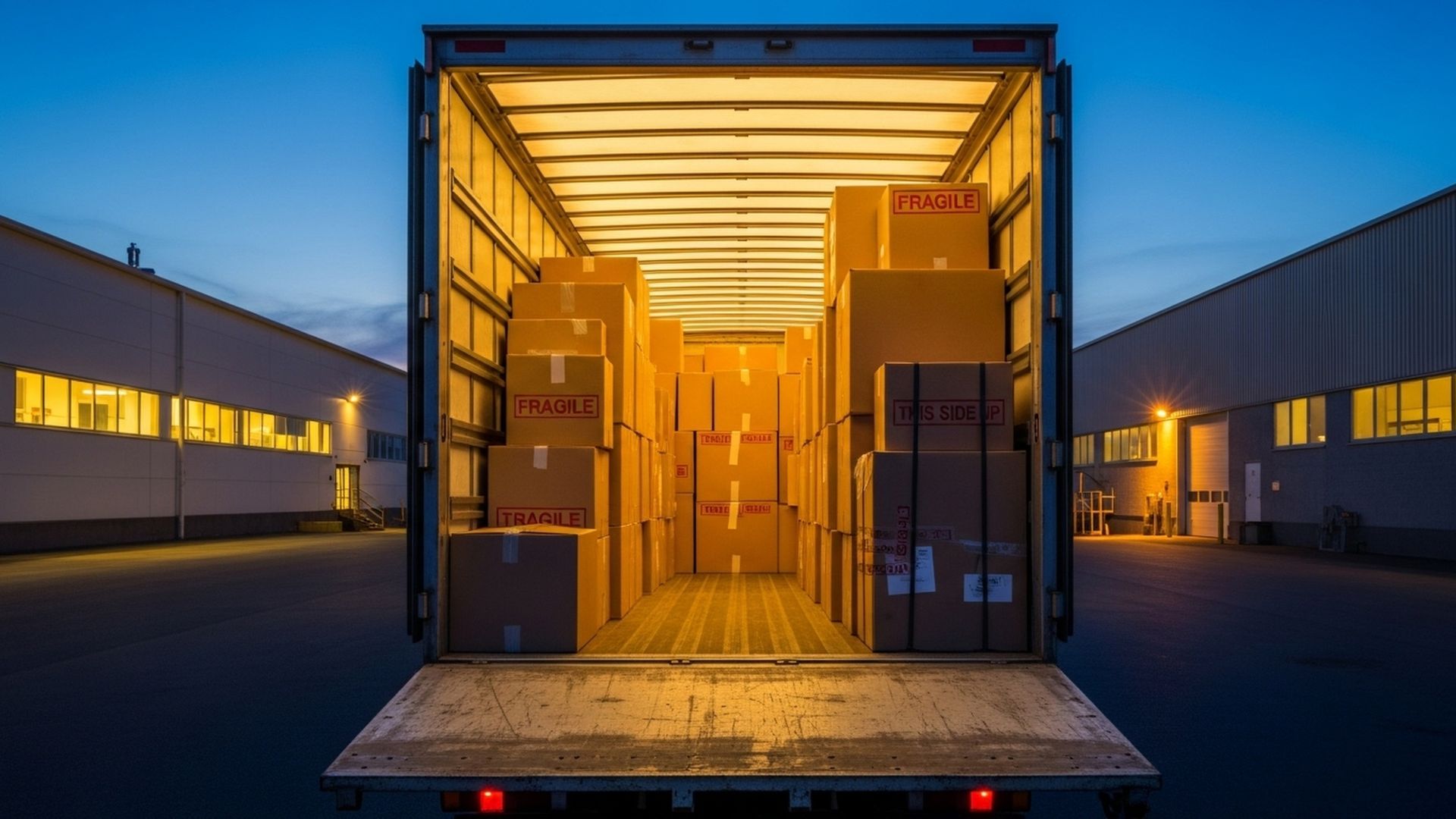
Even though you’re storing your camper or other seasonal equipment for the off-season, maintenance may still be required. To avoid future issues and ensure everything is in top condition when you’re ready to use it again, follow these steps if repairs are needed during storage:
Inspect Regularly: Even while in storage, periodically check on your camper to ensure it remains in good condition. Look for signs of damage such as leaks, rodent infestations, or wear on seals. Regular inspections help you catch minor issues early, before they turn into major repairs.
Perform Routine Maintenance: Before storing your camper, complete any necessary routine maintenance. This includes checking and topping off fluid levels, inspecting tires for damage or low pressure, and testing the battery. If you discover any issues during your inspections, address them promptly.
Professional Repairs: If you find that repairs are beyond your capability or require specialized skills, don’t hesitate to contact a professional. Look for service providers that offer winterization and off-season repair services. Many RV or camper repair shops offer discounted rates during the off-season.
Document and Organize Repairs: Keep a record of any repairs made during storage, including receipts and details about the work completed. This will help you track maintenance history and ensure you don't overlook any issues the next time you pull the camper out for use.
Protective Measures During Repairs: If a repair is necessary and you need to leave your camper exposed to the elements, take extra protective measures. Use tarps or covers to shield it from rain, snow, or harsh sun while repairs are being made. This will prevent further damage during the repair process.
By staying on top of repairs, regularly inspecting your camper, and seeking professional help when necessary, you can ensure it stays in excellent condition throughout the off-season.
Conclusion
Proper storage of your truck camper is essential to ensure it stays in optimal condition during the off-season. By preparing your camper for storage, choosing the right facility, maximizing space, and protecting it from the elements, you can prolong its lifespan and avoid costly repairs.
For the best truck camper storage solutions in Stewartville, choose Bear Cave Storage. Our secure, reliable facilities offer 24/7 security and gated access. With a clean, well-maintained environment, your camper and valuable gear are protected from unauthorized access and harsh weather.
Contact us today and discover how Bear Cave Storage units can meet your needs, ensuring your camper and equipment are protected throughout the winter months.
FAQs
1. Can I store my truck camper outside during the winter?
A. Yes, you can store your truck camper outside, but it’s recommended to use a weather-resistant cover to protect it from snow, ice, and extreme temperatures. If you choose outdoor storage, ensure the area is secure and protected from the elements.
2. What’s the best way to protect my camper from freezing temperatures?
A. Winterizing your camper is crucial for protection against freezing temperatures. Drain all water systems, add antifreeze as needed, and ensure the camper is appropriately insulated to prevent damage to pipes and other components.
3. How often should I inspect my stored camper?
A. It’s a good idea to check on your stored camper every few weeks to ensure it’s in good condition. Look for any signs of moisture buildup, cover any damage, or check for pests. Regular checks can help prevent costly repairs down the line.
4. Can I store other gear with my truck camper?
A. Yes, many storage facilities allow you to store additional gear along with your truck camper. Just make sure to organize everything properly to maximize space and ensure easy access to your items when needed.
5. What security features should I look for in a truck camper storage facility?
A. Look for storage facilities that offer high-security features such as surveillance cameras, gated access, and on-site staff. These measures will help keep your camper and other belongings safe from theft or vandalism.