Finding secure, reliable boat storage can be a challenge, especially during Minnesota’s long winters when space is limited and demand is high. While some boat owners consider sharing storage space to reduce costs, shared arrangements often introduce complications around access, responsibility, and risk.
In reality, boat storage works best when each owner has clearly defined space, controlled access, and full responsibility for their own vessel. Shared storage setups can lead to scheduling conflicts, unclear accountability, and increased chances of damage, especially during winter months when boats are stored for extended periods.
This guide explores practical strategies for storing boats efficiently and safely, explains why individual storage space within a professionally managed facility is often the smarter choice, and shows how boat owners can protect their investment while avoiding the common pitfalls of shared storage scenarios.
At a Glance
Sharing storage space may seem cost-effective, but it often creates access conflicts, liability concerns, and coordination issues between owners.
Clearly defined, individually rented storage space eliminates disputes over access, placement, and responsibility for damage or maintenance.
Choosing the right storage type, whether indoor, outdoor, or climate-controlled, plays a critical role in protecting boats through Minnesota’s harsh winters.
Transparent pricing, individual billing, and clear facility policies make storage costs predictable without the complications of splitting fees or insurance.
Well-managed facilities like Bear Cave Storage offer secure, organized storage environments where each boat owner maintains full control, simplifying seasonal storage and providing long-term peace of mind.
Is Sharing Boat Storage a Smart Choice for Stewartville Boaters?
Not every boater needs an entire storage unit for the full season. When space goes unused, costs add up unnecessarily. For boat owners who trust one another and plan ahead, sharing a storage space can be a practical way to reduce expenses while keeping boats protected during Minnesota’s long off-season.
Here’s why shared boat storage can make sense:
Cost efficiency: Splitting storage fees lowers individual costs while still providing a secure place to store boats, trailers, or equipment.
Better use of available space: Sharing prevents wasted square footage, especially when boats or accessories don’t fill a unit on their own.
Shared upkeep responsibilities: Partners can divide seasonal tasks such as checking covers, monitoring for moisture, or handling light maintenance.
Added accountability: Two owners keeping an eye on stored equipment can help spot issues early and reduce the risk of unnoticed damage.
Seasonal flexibility: With clear coordination, shared storage allows staggered access for winter prep, spring retrieval, or mid-season adjustments.
When planned carefully, shared boat storage can balance affordability and protection without sacrificing convenience. Clear agreements, communication, and compatible schedules are key to making the arrangement work smoothly.
For Stewartville boaters, local storage facilities offer secure, well-maintained spaces that can accommodate shared storage needs. With the right setup and expectations, sharing a unit can be an efficient alternative to renting a full space alone, especially for seasonal or part-time boat use.
That said, many boat owners eventually realize that shared storage requires ongoing coordination and compromise. Bear Cave Storage offers a simpler alternative by providing clearly defined, individual storage spaces where each customer controls their own unit.
Without shared interiors or overlapping access, boat owners avoid scheduling conflicts, uncertainty around responsibility, and the risk of accidental damage caused by others.
Store Smart in Stewartville! Make room at home and protect seasonal items with secure, climate‑controlled storage near you. Reserve Your Unit Now!
10 Tips to Keep in Mind When Sharing Boat Storage Space in 2026
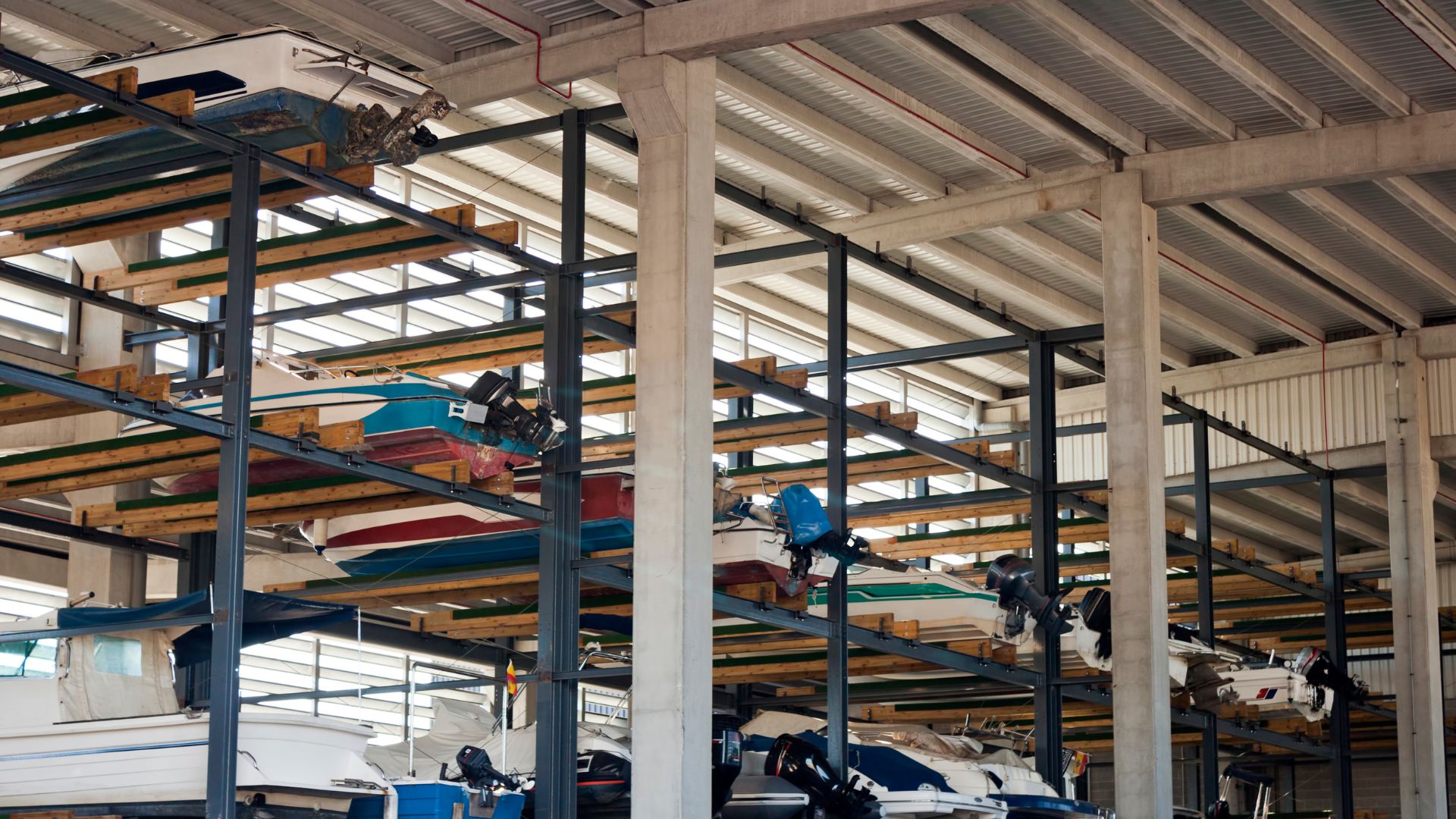
Sharing a boat storage space can be a practical way to reduce costs and make better use of available room, but only when it’s approached with clear planning and shared expectations. The most successful arrangements prioritize defined access, reliable facilities, documented agreements, and consistent care rather than unlimited, unstructured access.
Below are practical tips to help co-owners protect their boats, avoid conflicts, and keep shared storage efficient throughout the year.
1. Define Storage Location in Your Agreement
Before committing to shared storage, both owners should agree, in writing, on exactly where the boat will be stored and under what conditions. This avoids last-minute changes that can affect access, cost, or protection.
Why it matters:
Storage location determines security, access hours, weather exposure, and insurance eligibility
Written confirmation prevents disputes if plans change mid-season
Different facilities vary widely in cleanliness, monitoring, and reliability
Takeaway: Locking in the storage location early keeps expectations aligned and protects both vessels for the full season.
2. Choose a Centrally Located Storage Facility
A centrally located storage facility reduces travel time and makes shared access more equitable. Just as important, consistent access hours help coordinate visits without overlap or confusion.
Why it matters:
Equal travel time supports fair usage
Predictable access hours reduce scheduling conflicts
Controlled entry lowers the risk of damage, theft, or misuse
Takeaway: A well-located, professionally managed facility keeps shared storage efficient and low-friction.
3. Account for Storage Fees in Expense Sharing
Storage expenses go beyond monthly rent. Security features, seasonal rate changes, and unit size all affect total cost, so co-owners should agree upfront on how everything is divided.
Why it matters:
Transparent cost sharing prevents resentment
Predictable billing avoids last-minute disputes
Shared expense tracking simplifies long-term planning
Takeaway: Clear financial structure keeps shared storage fair and stress-free.
4. Consider Insurance Discounts for Secure Storage
Many insurers offer lower premiums when boats are stored at secure, monitored facilities, especially during the off-season. Both owners should confirm how storage choice affects coverage and costs.
Why it matters:
Secure storage can reduce insurance premiums
Facilities with gated access and surveillance are often preferred by insurers
Aligning on this early keeps cost-sharing accurate
Takeaway: Storage quality affects insurance, choosing the right facility benefits both owners financially.
5. Establish Clear Return and Storage Procedures
Shared storage works best when both owners follow the same routine every time the boat is returned. Simple checklists prevent missed steps and protect the vessel.
Why it matters:
Consistent procedures reduce wear and tear
Clear expectations avoid finger-pointing
Proper securing prevents accidental damage
Takeaway: Standardized storage habits keep the boat ready and reduce tension between co-owners.
6. Plan for Seasonal Storage Considerations
In Minnesota, seasonal planning is critical. Co-owners should agree on peak usage periods, winter storage plans, and how weather affects access and maintenance.
Why it matters:
Prevents overlap during high-demand months
Aligns expectations for indoor vs. outdoor storage
Protects the boat from freeze damage and storms
Takeaway: Seasonal planning ensures fair access and year-round protection.
7. Document All Storage-Related Agreements in Writing
Even between trusted partners, written agreements protect both parties. Storage-related responsibilities, access rules, and decision-making authority should be documented.
Why it matters:
Written terms reduce misunderstandings
Documentation protects both owners if disputes arise
Clear records support long-term co-ownership
Takeaway: Simple documentation adds structure and security to shared storage arrangements.
8. Divide Storage Responsibilities Based on Usage
If one owner uses the boat more frequently, responsibilities should reflect that. Fair workload distribution keeps the partnership balanced.
Why it matters:
Prevents uneven effort or burnout
Aligns work with actual usage
Encourages accountability
Takeaway: Matching responsibilities to usage keeps shared storage fair and cooperative.
9. Address Storage During Boat Relocation
If storage locations change seasonally or the boat needs to be moved, both owners should agree on how decisions are made and costs are handled.
Why it matters:
Prevents unilateral decisions
Avoids surprise expenses
Keeps access predictable
Takeaway: Clear relocation rules prevent disruption and conflict.
10. Explore Management Company Options for Larger Boats
For larger or higher-value boats, professional storage or management support can simplify coordination and maintenance.
Why it matters:
Reduces owner workload
Ensures consistent care
Minimizes disputes over responsibilities
Takeaway: Professional support can preserve both the boat and the partnership.
While sharing boat storage can work with careful coordination, many boat owners ultimately find that having a clearly defined, private storage space eliminates most of the risks that come with sharing. Bear Cave Storage offers individual units where each customer pays for and controls their own space, without shared interiors, overlapping use, or access confusion.
This setup removes disputes over responsibility, protects boats from accidental damage caused by others, and keeps storage predictable throughout the season. For boaters who value simplicity, security, and accountability, Bear Cave Storage provides a more reliable alternative to shared storage arrangements.
Why Choose Bear Cave Storage for Your Boat?
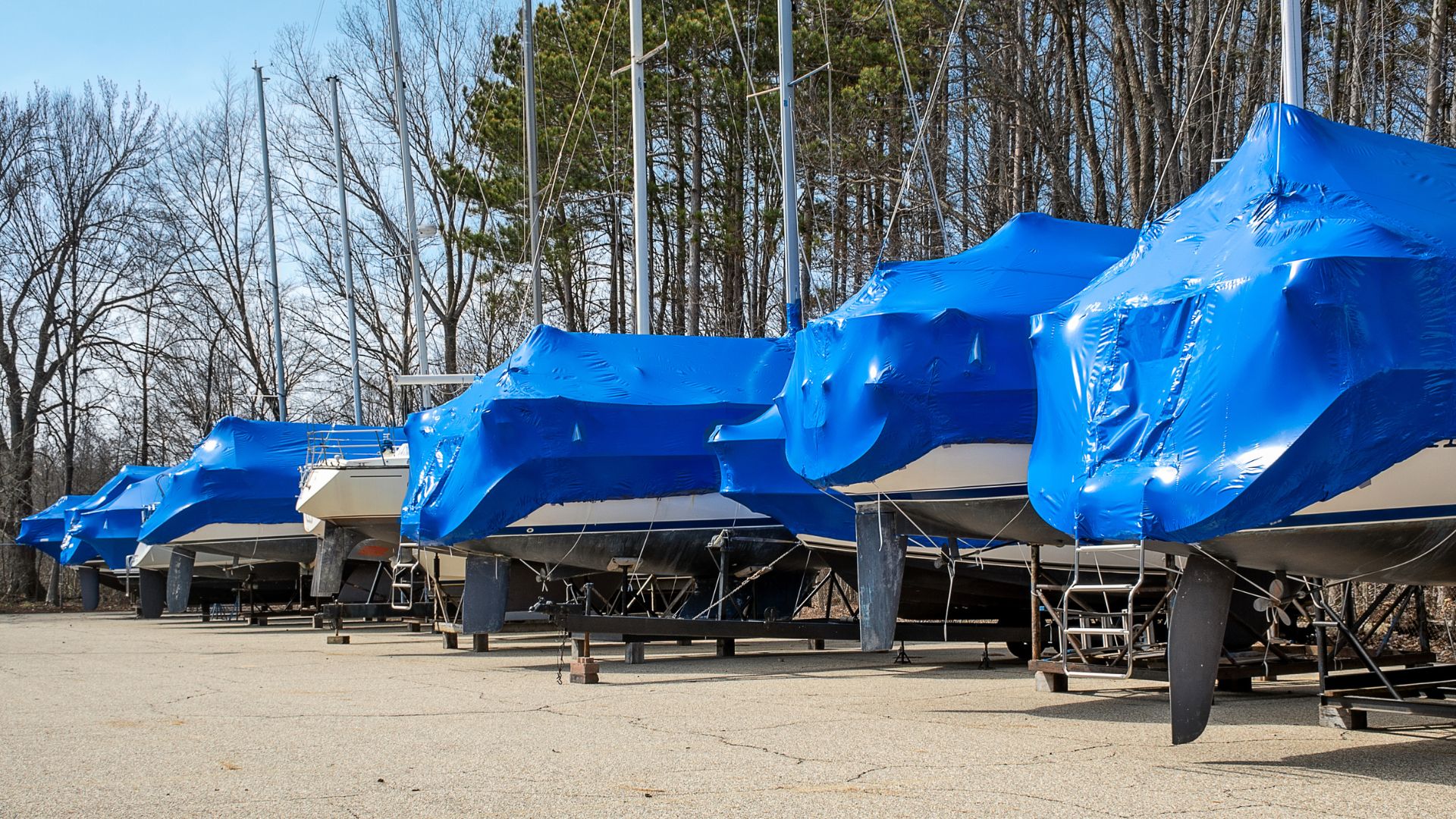
For boat owners in Stewartville, MN, Bear Cave Storage offers more than just a place to park your vessel. It provides peace of mind, convenience, and protection year-round.
As a family-owned facility with professional-grade care, Bear Cave ensures your boat stays safe from weather damage, theft, and seasonal wear, without the uncertainty or coordination required in shared storage.
Highlights for Boaters:
Climate-Protected Indoor Storage: Shields boats from harsh winters, moisture, and fluctuating temperatures.
Robust Security Measures: Gated access, on-site monitoring, and video surveillance keep your investment secure.
Flexible, User-Friendly Options: Drive-up units, a variety of sizes, and online account management make storing and retrieving your boat straightforward.
Defined Individual Spaces: Each customer has their own dedicated unit, no shared interiors, no scheduling conflicts, and full control over your storage.
Bottom Line: With clean, well-maintained units, clear individual spaces, and attentive service, Bear Cave Storage is a dependable choice for protecting and preserving your boat throughout the season, giving you security and convenience without compromise.
Final Takeaway
Successful boat storage starts with choosing the right facility, understanding your responsibilities, and planning ahead. Details like location, security, and access play a big role in keeping your vessel safe and ready for use.
At Bear Cave Storage, each customer has a dedicated, private unit, eliminating conflicts or coordination issues that come with shared spaces. With secure, accessible, and well-maintained storage, residents and businesses can enjoy peace of mind knowing their boats, trailers, and seasonal equipment are protected year-round.
Ready to secure a private, dependable storage unit for your boat? Contact Bear Cave Storage today and reserve your space in Stewartville.
FAQs
1. Can I access my boat anytime at Bear Cave Storage?
Yes. Most units at Bear Cave Storage offer flexible access hours, allowing you to retrieve or store your boat, trailer, or equipment when it’s convenient for your schedule.
2. Are all storage units climate-controlled?
Bear Cave Storage provides a mix of unit types. Climate-controlled units are available for sensitive boats or equipment, protecting against moisture, temperature fluctuations, and seasonal wear.
3. How secure are the storage units?
Each unit is in a secure facility with gated entry, drive-up access, and 24/7 video surveillance. Your boat or equipment stays protected, with no shared interiors or access with other customers.
4. Can Bear Cave Storage accommodate large boats or RVs?
Yes. Bear Cave offers a variety of unit sizes, including drive-up and oversized units, to fit boats, RVs, trailers, and other large equipment.
5. Do I need to share a unit with another boater to save money?
No. Each customer has a private, dedicated unit, so there’s no need to share space. You get full control of your storage while enjoying security, convenience, and predictable costs.