
Storing boxes in a storage unit can quickly become overwhelming if you don’t plan how to organize them. Many families and businesses face the challenge of keeping seasonal items, RVs, boats, and winter machinery accessible without cluttering their units.
When items are randomly stacked or poorly labeled, retrieving them becomes frustrating, wasting time and effort. Whether it’s holiday decorations, lawn tools, or business inventory, having a clear system saves energy and prevents damage.
In this blog, you'll learn practical strategies to organize boxes in storage for easy access, ensuring everything is accessible, protected, and efficiently arranged.
Key Takeaways
Label Everything Clearly: Use large, legible labels to identify contents and orientation of each box.
Create an Access Map: Designate aisles and pathways so any box can be reached without moving others.
Use Uniform-Sized Boxes: Stackable, consistent boxes prevent tipping and make better use of vertical space.
Prioritize Frequently Used Items: Keep seasonal or regularly needed items at the front of your unit.
Protect Fragile Items: Use padding, bubble wrap, or plastic bins to safeguard delicate contents.
Step 1: Assess Your Storage Needs
Before you move a single box, it’s essential to understand what you have and how you intend to use it. Many Stewartville families and businesses store a mix of seasonal equipment, holiday decor, RV or boat accessories, and winter machinery.
Actionable Tips:
Categorize Clearly: Divide items into seasonal, fragile, bulky, or high-use categories. For example, winter machinery like snowblowers or snow shovels should be grouped separately from holiday decor.
Evaluate Access Frequency: Identify which items you will access frequently versus rarely. High-use items should be near the front.
Special Considerations: Boats, RV accessories, and lawn machinery require clearance and, in some cases, climate-controlled zones.
Draw a Floor Plan: Sketch the layout of your storage unit, including aisles and zones. This helps visualize space before moving boxes.
Mistakes to Avoid: Randomly placing boxes without thought to size, weight, or frequency makes retrieval frustrating and time-consuming.
Why Planning Matters: A clear assessment ensures items don’t get mixed up, helps you plan zones, optimize space, and prioritize frequently used items, saving time during busy seasons.
Step 2: Choose Containers That Improve Durability and Visibility
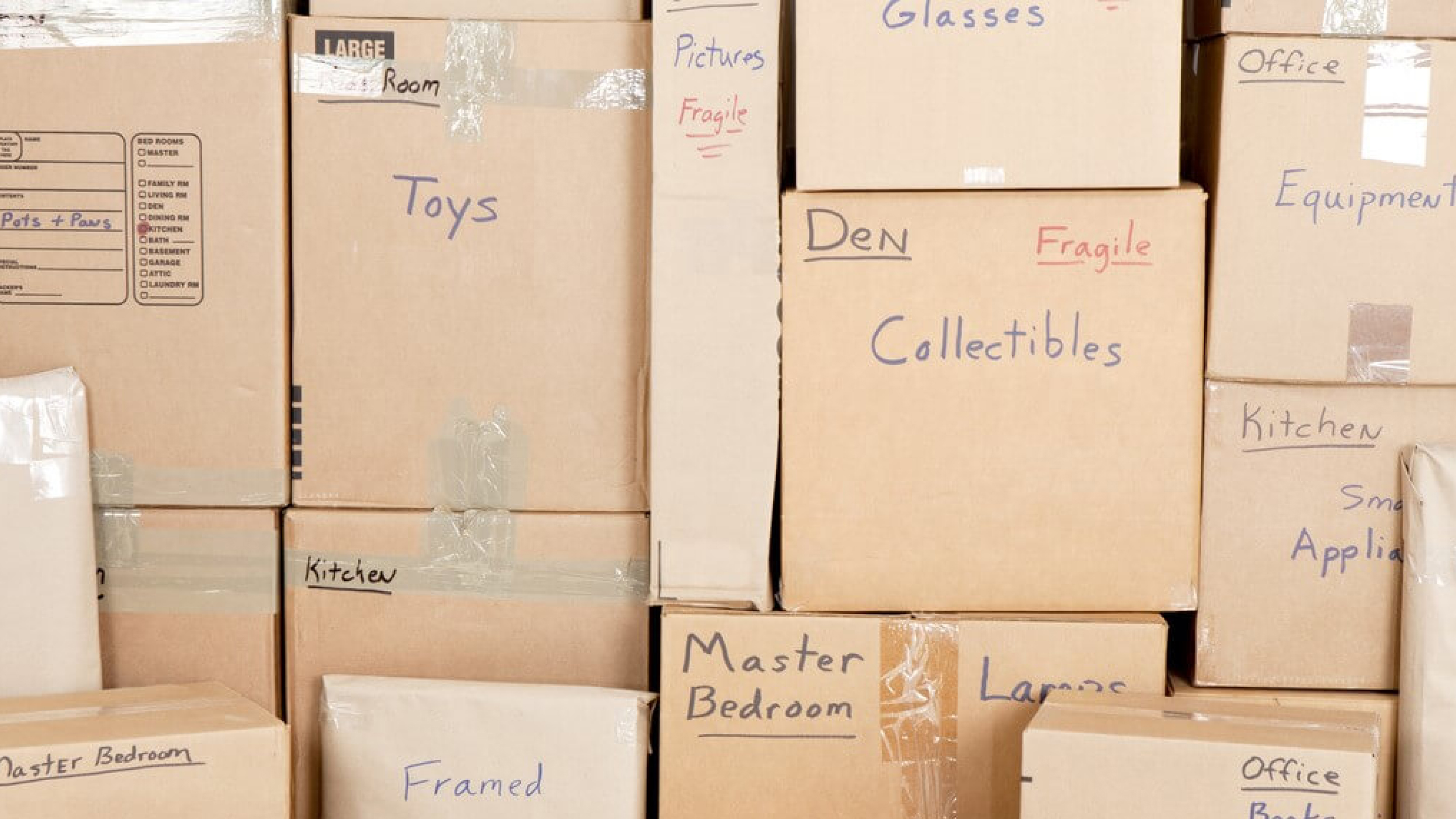
The containers you select set the foundation for a safe and efficient storage system. Using the wrong boxes can lead to unstable stacks, damaged items, or difficulty locating what you need. Stewartville residents storing seasonal machinery, winter tools, or delicate decor should choose containers that match both the item type and environmental conditions.
Actionable Tips:
Uniform Size: Use stackable boxes to maximize vertical space and prevent tipping. For example, 12”x12”x12” boxes stack more securely than mixed sizes.
Clear Bins: Make contents visible without opening, ideal for high-use items like tools or holiday decor.
Fragile Items: Wrap with bubble wrap or blankets and use smaller boxes to avoid overloading.
Moisture-Resistant Options: Plastic bins with tight lids prevent water damage during Stewartville’s wet winters.
Label-Friendly Surface: Smooth surfaces make labels readable and durable over time.
Why Container Choice Matters: Choosing the right containers ensures boxes remain stable, items are protected from damage, and retrieval is straightforward, making your storage unit safer and easier to use.
Step 3: Build a Clear, Consistent Labeling System
Even with perfect stacking and containers, finding the correct box can be frustrating without proper labeling. Labels act as a guide in your storage unit, helping you retrieve items efficiently and avoid unnecessary handling. Thoughtful labeling reduces time spent searching and prevents damage from repeatedly moving heavy or fragile boxes.
Actionable Tips:
Bold, Large Labels: Ensure they are legible from a distance. Marker pens or printed labels work best.
Multiple Sides: Place labels on at least the front and one side, especially if boxes are stacked sideways.
Detailed Info: Include category, specific items, and last access date. For example: “Holiday decor - Ornaments & Lights - Last used Dec 2024.”
Color-Coding: Assign colors to categories for easy recognition.
Red = Holiday items
Blue = Sports gear
Green = Tools and machinery
Inventory Map: Keep a digital or paper map showing each box’s location and content for fast retrieval.
Common Pitfall: Writing vague labels like “Stuff” or “Box 1” makes searching frustrating.
Why Labeling Matters: Clear and consistent labels save time, prevent damage, and make it easy to locate items, keeping your storage unit organized and efficient.
Step 4: Stack Your Boxes for Stability and Easy Reach
Stacking is not just about fitting everything into the unit. Proper stacking ensures safety, protects fragile items, and keeps frequently used boxes accessible. Stewartville residents storing winter machinery, heavy equipment, or seasonal gear benefit greatly from planned stack order and height.
Actionable Tips:
Heaviest at Bottom: Place heavy machinery, large tools, or dense items at the base.
Lightweight on Top: Fragile items, small decor, or soft goods can go on higher levels.
Front-Load High-Use Items: Seasonal gear or boxes you access frequently should be placed in front rows or at eye level.
Leave Aisles: Maintain at least 2-3 feet of walking space to access boxes at the back of the aisle.
Use Pallets or Risers: Elevate boxes off the floor to prevent moisture damage and improve airflow.
Safety Tip: Avoid over-stacking; 5–6 feet is generally safe for most boxes.
Why Proper Stacking Matters: Proper stacking prevents accidents, protects your items from damage, and lets you access high-use boxes easily without unnecessary effort.
Step 5: Create Defined Zones and Walkable Paths
A disorganized storage unit wastes time and creates frustration when you need an item. Defining zones and leaving clear pathways ensures every item has a designated place, making retrieval faster and easier. This approach is critical in Stewartville, where seasonal rotation of machinery, tools, and holiday items is common.
Actionable Tips:
Zone by Frequency:
Front Zone = Current-season items or high-use boxes
Middle Zone = Occasional-use items
Back Zone = Long-term storage boxes
Logical Grouping: Keep similar items together, such as holiday decor, winter machinery, or sports gear.
Pathways: Leave at least one central aisle; wider aisles are needed for larger boxes or equipment.
Rotation System: As seasons change, rotate items from back to front without disturbing other zones.
Why Zoning Matters: Clear zones and walkable paths save time, reduce unnecessary handling, and make seasonal or frequently used items easy to reach while keeping your unit organized.
Step 6: Maintain a Trackable Inventory of Every Box
Even the most organized storage unit can feel chaotic without knowing precisely what is stored where. Maintaining an inventory acts as a roadmap, helping you locate items quickly and preventing repeated handling that can lead to damage.
Actionable Tips:
Digital Tools: Use spreadsheets or inventory apps to log each box’s number, contents, location within the unit, and last access date.
Photo Records: Take photos of stacks to identify boxes and contents quickly.
Update Regularly: When adding or removing boxes, update your inventory immediately.
Physical Backup: Keep a printed copy for quick reference inside the storage unit.
Why Inventory Matters: A trackable inventory saves time, reduces unnecessary handling, and ensures you always know the location of every item, keeping your storage unit organized and efficient.
Step 7: Protect Items from Seasonal and Winter Conditions
Winter in Stewartville can cause significant damage to unprotected items. Temperature swings, moisture, and condensation may ruin machinery, electronics, furniture, and seasonal decor. Taking proactive steps to protect your belongings ensures they remain in usable condition and reduces the risk of costly damage.
Actionable Tips:
Climate-Controlled Units: Essential for electronics, delicate furniture, or high-value items.
Elevate Items: Use pallets or shelving to keep boxes off the floor and away from moisture.
Wrap Fragile Items: Protect delicate items with bubble wrap, blankets, or foam padding.
Avoid Direct Contact: Do not place heavy machinery directly under lighter or fragile items.
Check Airflow: Ensure air circulates around boxes to prevent mold or mildew.
Why Protection Matters: Shielding your items from seasonal and winter conditions prevents damage, extends their lifespan, and ensures your belongings are ready for use whenever needed.
Step 8: Maximize Space Without Compromising Accessibility
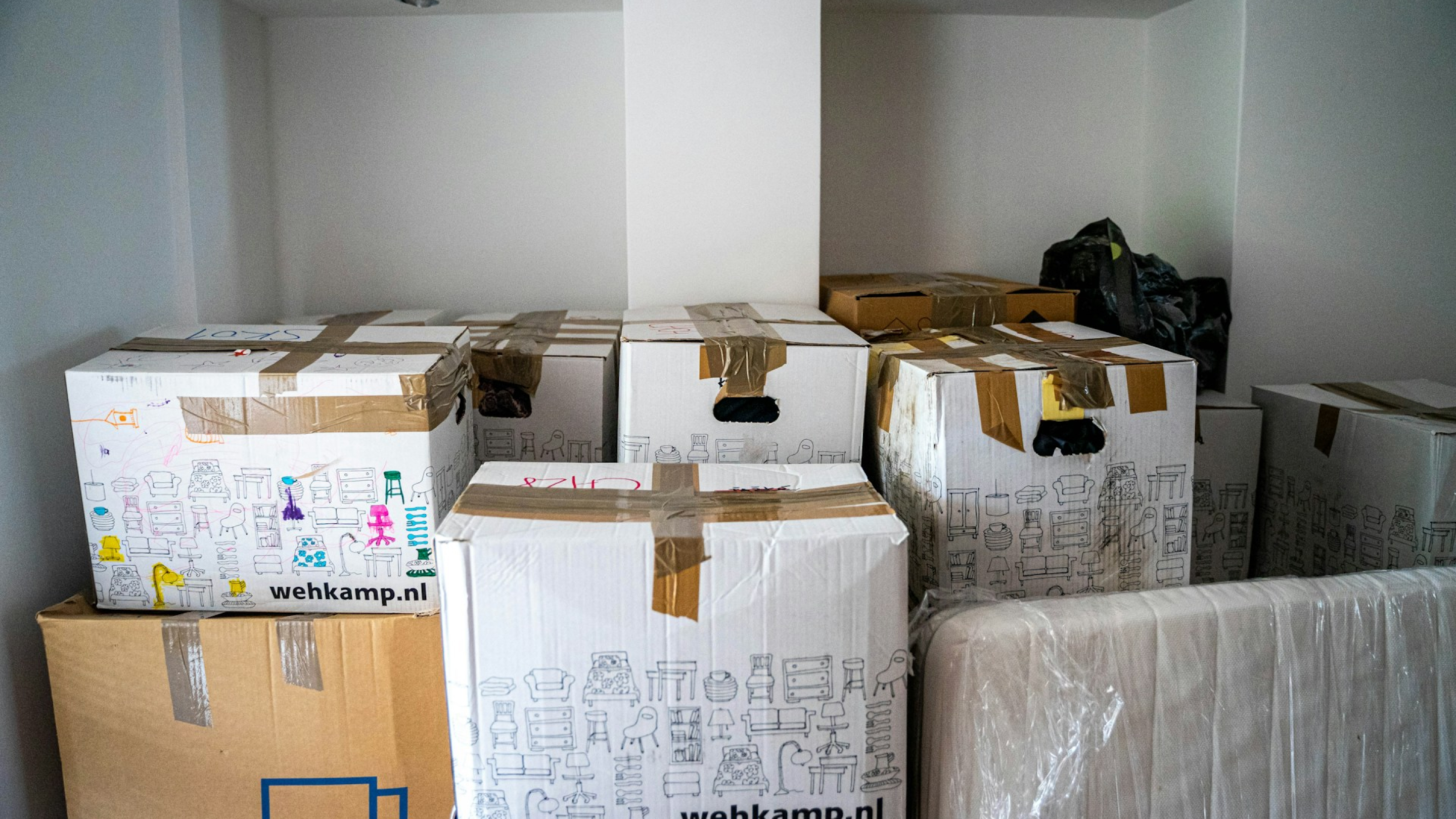
Efficient storage requires balancing space optimization with easy access. A poor layout can make even a large unit feel cluttered, while a thoughtful arrangement keeps items reachable, safe, and organized.
Actionable Tips:
Use Vertical Shelving: Place lightweight items on tall shelves to free up floor space.
Back-to-Front Access: Arrange boxes so current-season items are easy to grab, with off-season items stored behind.
Flexible Layout: Leave room for adjustments as new items are added or removed.
Extra Living Space: Store seasonal gear, holiday decor, and winter equipment at Bear Cave Storage to free up your home garage or basement without sacrificing accessibility.
Why Space Optimization Matters: Maximizing space while keeping items accessible prevents clutter, ensures safety, and allows you to retrieve frequently used items without unnecessary effort.
Step 9: Set Up a Retrieval System Anyone Can Follow
A precise retrieval method helps you locate items quickly without opening multiple boxes or moving others around. This is especially important as your storage grows or if you store seasonal items and frequently used business materials. A simple system saves time and prevents accidental misplacement or damage.
Actionable Tips:
Create an Item Locator Sheet: Maintain a single sheet, digital or printed, listing each box number and its contents so you don’t rely on memory.
Highlight Frequently Accessed Boxes: Mark these boxes in bold or a different color on the sheet to prioritize their placement.
Update After Every Visit: Make quick edits whenever items are added or removed to ensure the information remains accurate.
Why a Retrieval System Matters: A well-planned retrieval system reduces search time, prevents unnecessary handling of boxes, and keeps your storage unit organized and easy to locate.
Step 10: Revisit, Refresh, and Reorganize Every Few Months
Storage needs change over time, and periodic reviews keep your unit functional, organized, and clutter-free. Regular maintenance ensures your setup adapts to new items, seasonal rotations, or changing usage patterns. A short check prevents build-up and maintains easy access to all stored belongings.
Actionable Tips:
Rotate Seasonal Items: Move off-season items to the back and bring current-season items to the front for convenient access.
Check for Damaged or Unused Items: Identify items that can be donated, discarded, or repacked to free up space and protect the unit’s condition.
Reinforce Labels & Layout: Replace worn labels, tighten stacking, and adjust aisle spacing to keep the system convenient and safe.
Why Regular Reorganization Matters: Reviewing and refreshing your storage unit maintains order, prevents clutter, and ensures that every item remains easily accessible throughout the year.
Consider storing seasonal decor, lawn tools, or winter equipment at Bear Cave Storage in Stewartville to keep your home clutter-free. This also ensures your belongings stay protected and easy to access whenever you need them.
Conclusion
Organizing storage boxes is essential for residents and business owners who manage seasonal items, winter machinery, documents, or bulky equipment in Stewartville. With structured labeling, stable stacking, and well-planned zones, your unit becomes easier to use and far more efficient overall. A clear system also reduces time spent searching and keeps every item protected throughout the year.
For those who need reliable, well-maintained storage space, Bear Cave Storage in Stewartville offers secure, climate-controlled units designed to protect valuable belongings and simplify day-to-day storage management. Their solutions give you the flexibility to store seasonal items, equipment, or inventory with confidence.
Take the next step toward a more organized and stress-free storage experience. Explore Bear Cave Storage in Stewartville or contact us to find a unit that matches your needs and keeps your belongings easy to access year-round.
FAQS
1. How can I prevent boxes from collapsing in a storage unit?
A. Use uniform-sized, sturdy boxes and place heavier items at the bottom. Avoid overloading boxes, and stack them carefully, leaving aisles for access. Adding pallets or shelving also prevents floor contact and evenly distributes weight, protecting both fragile and heavy contents.
2. What’s the best way to rotate seasonal items efficiently?
A. Group items by season and frequency of use. Place off-season items at the back and current-season items at the front. Use labeled bins and maintain a digital or printed inventory sheet to speed up rotation without disturbing other boxes.
3. How can I store delicate items in a winter-prone area like Stewartville?
A. Wrap fragile items in bubble wrap or blankets and store them in moisture-resistant containers. Keep them elevated on shelves or pallets, avoid stacking heavy items on top, and consider climate-controlled units to prevent damage from cold, condensation, or humidity fluctuations.
4. Is it necessary to update my inventory every time I add a box?
A. Yes, updating the inventory immediately ensures accuracy and prevents misplaced items. Digital apps, spreadsheets, or printed maps help track locations and contents efficiently. Regular updates reduce search time and protect fragile or seasonal items from unnecessary handling.
5. Can businesses store large equipment and inventory in the same unit as smaller boxes?
A. Yes, but items should be separated into zones. Heavy or bulky equipment goes to one area, while smaller boxes stay on shelves or front zones for frequent access. Clear labeling and walkable paths ensure both types of items remain organized and easy to retrieve.