Extended vehicle storage can silently damage your car if proper precautions are not taken. Batteries can drain, fluids can degrade, tires may develop flat spots, and metal parts can corrode during periods of inactivity.
We understand how frustrating it is to return to a vehicle that has deteriorated while you were away. That’s why proper maintenance is essential to preserve both the mechanical and cosmetic condition of cars, RVs, or collector vehicles.
In this blog, you’ll learn how to maintain a car in storage, covering engine and battery care, pest prevention, and safe reactivation to keep your vehicle in optimal condition.
Key Takeaways
Select the Right Storage Facility: Indoor or climate-controlled storage protects vehicles from weather, moisture, and pests, preserving mechanical and cosmetic integrity.
Prepare Engine and Fluids: Change oil, top off coolant, brake, and transmission fluids, and use fuel stabilizers to prevent corrosion and degradation.
Protect Tires and Battery: Maintain tire pressure, move the vehicle periodically, and disconnect or maintain the battery to avoid flat spots and discharge.
Safeguard Interior and Exterior: Clean, wax, condition surfaces, and use breathable car covers to prevent rust, mold, and paint damage.
Conduct Routine Inspections: Regularly check engine, tires, fluids, and signs of pest activity to catch issues early and ensure long-term vehicle readiness.
Why Proper Vehicle Maintenance Matters for Your Car?
Maintaining your vehicle during storage safeguards your investment, ensures it performs reliably, and reduces the likelihood of unexpected repairs. Consistent care helps prevent long-term wear, protects critical systems, and keeps your car ready for use when you return.
Below are a few key reasons why maintaining your car in storage is critical:
Preserving Asset Value: Proper storage prevents damage to the engine, interior, and exterior caused by inactivity. It ensures your car retains its resale value and remains in excellent condition.
Enhancing Security: A secure facility protects your vehicle from theft, vandalism, and accidental damage. Controlled access and monitoring give peace of mind during long-term storage.
Reducing Maintenance Costs: Consistent care prevents fluid degradation, corrosion, and mechanical failures. Identifying minor issues early reduces the need for expensive repairs when the car returns to use.
Preventing Environmental Damage: Climate-controlled storage shields your car from moisture, temperature swings, and road salt. Interior care prevents mold, odors, and upholstery deterioration over time.
Extending Vehicle Lifespan: Maintaining tires, fluids, and battery health keeps mechanical systems functional during storage. This reduces long-term wear and extends your car's lifespan.
Knowing how crucial maintenance is, let’s explore where and how you should store your car to protect it from damage during long-term storage.
Choosing the Right Facility for Winter and Long-Term Storage
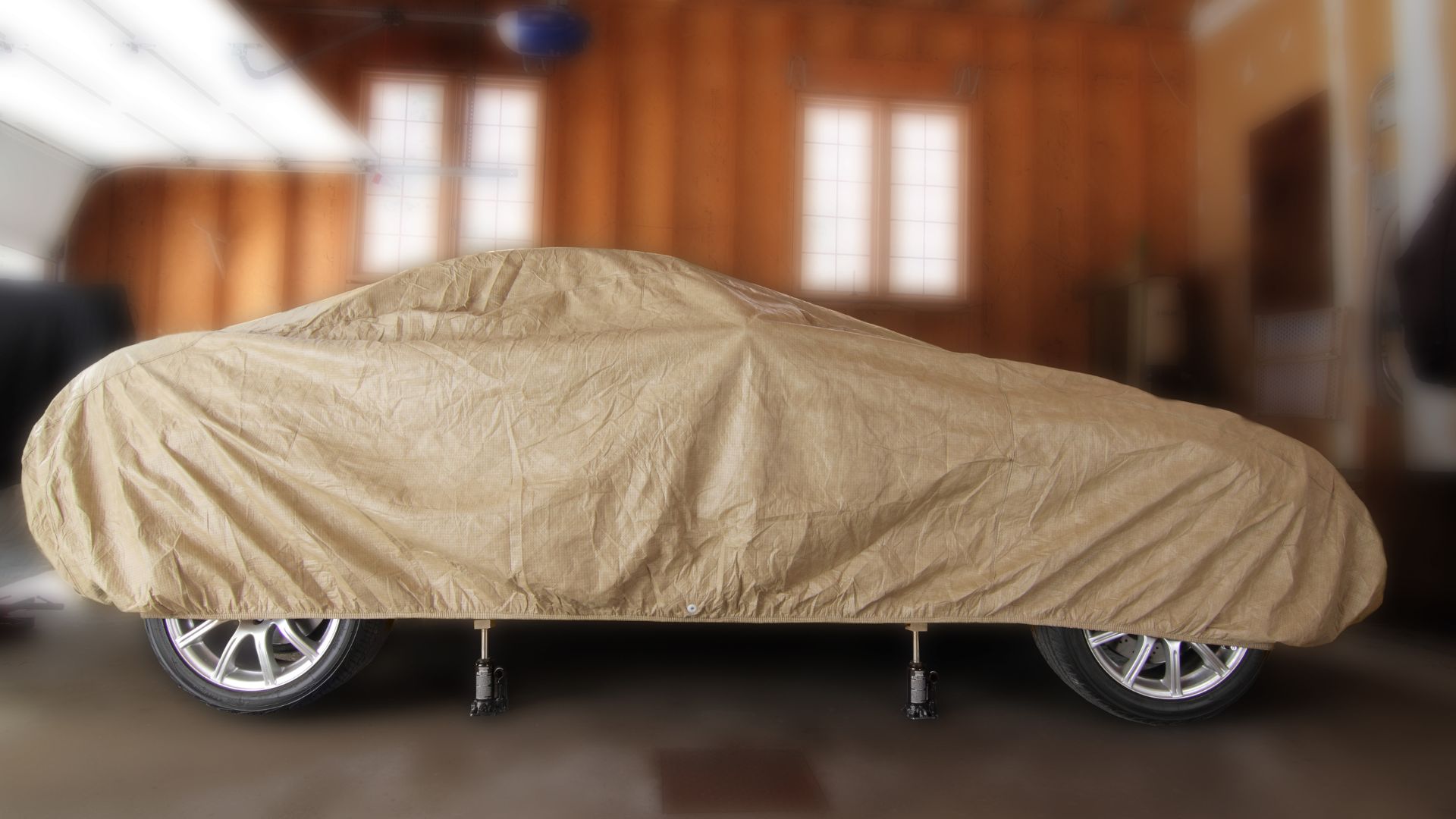
Choosing the appropriate storage environment is the first step in maintaining a car in storage. The right facility protects your vehicle from environmental stressors, preserves fluid stability, prevents corrosion, and reduces the risk of pest damage.
1. Indoor vs Outdoor Storage for Proper Vehicle Maintenance
Choosing between indoor and outdoor storage determines how well your vehicle is protected from weather and environmental stress. Each option requires specific precautions to ensure long-term preservation.
Indoor Storage Provides Maximum Protection: Indoor storage shields your car from snow, ice, wind, and harmful UV rays that can fade paint and damage interior materials. It also prevents temperature swings that stress metal, rubber, and plastic components, reducing the risk of mechanical or cosmetic damage over time.
Outdoor Storage Requires Proper Covering: Outdoor storage is only suitable when paired with a high-quality, breathable car cover that allows airflow. This prevents moisture buildup, condensation, and potential paint damage while still protecting the vehicle from dust, debris, and sunlight.
Ventilation is Essential: Even indoor storage units must have proper airflow to prevent condensation on windows and interior surfaces. Adequate ventilation ensures upholstery, electronics, and other interior components remain safe from moisture damage and mold growth.
2. Climate-Controlled Storage for Long-Term Vehicle Care
Climate-controlled storage offers precise temperature and humidity management to prevent mechanical and interior damage. It is ideal for high-value or long-term stored vehicles.
Consistent Temperature Protection: Maintaining steady temperatures prevents thermal expansion and contraction of metal, plastic, and rubber parts. This helps avoid cracking, warping, and other stress-related damage to mechanical and structural components.
Humidity Control Prevents Rust: Controlled humidity levels reduce the risk of rust forming on wheel wells, underbody components, and door frames. Moisture stability also protects electrical systems and metal surfaces from corrosion during extended storage.
Protecting Interior and Cabin: Stable environmental conditions prevent mold, mildew, and unpleasant odors from developing inside the vehicle. Climate-controlled units safeguard fabrics, leather, and electronic systems, keeping the interior fresh and fully functional.
Stewartville Bear Cave Storage provides secure indoor and outdoor options to protect vehicles from weather, moisture, and unauthorized access. Clean, well-maintained units with 24/7 security make storing your car, RV, or boat worry-free and straightforward. Rent Online today!
Practical Car Maintenance Tips You Must Know
Proper preparation is essential for keeping a car in storage in top condition. Focusing on engine health, fluid levels, tires, and battery care ensures your vehicle remains fully operational and avoids costly damage during months of inactivity.
1. Engine, Fluids, and Fuel
Engines and fluids are highly sensitive to long periods of inactivity, and improper care can lead to corrosion, gum formation, and damage to internal components.
Change Engine Oil and Filter: Before storage, replace the engine oil and filter. Old oil contains acids and contaminants that can damage internal engine parts over time. Fresh oil provides protective lubrication and prevents corrosion during long-term inactivity.
Top Off Essential Fluids: Ensure coolant, brake fluid, transmission fluid, and power steering fluid are at recommended levels. Proper fluid management prevents air exposure and corrosion, keeping mechanical systems ready for use.
Fuel Tank and Stabilizer: Fill the fuel tank to about 95% and add a high-quality fuel stabilizer to prevent condensation and gum buildup. Start the engine briefly afterward to circulate the treated fuel, ensuring injectors and carburetors remain protected from long-term degradation.
2. Tire and Battery Care
Tires and batteries deteriorate quickly when a car sits idle, particularly in cold Stewartville winters. Proper care prevents flat spots, battery discharge, and damage to the electronic system.
Maintain Tire Pressure: Inflate all tires to the manufacturer-recommended levels to preserve shape and avoid permanent deformation.
Relieve Static Weight: Move the vehicle slightly or use tire cradles periodically to reduce pressure on static contact points and prevent flat spots.
Battery Management: Disconnect the battery or connect a smart maintenance charger to prevent discharge and maintain electronic system health. For extended storage, remove the battery and store it in a dry, temperature-stable location.
3. Electric Vehicle Considerations
EVs require specialized storage methods due to their battery systems and electronic controls. Proper EV maintenance preserves battery health and system functionality.
Optimal Battery Charge: Store the EV battery at 50–60% charge to maintain long-term health. Avoid leaving it fully charged or completely depleted.
Activate Storage Modes: Enable any manufacturer-recommended storage or battery preservation modes to optimize system settings during inactivity.
Climate-Controlled Storage for EVs: Whenever possible, keep EVs in climate-controlled environments to prevent cold-related battery degradation and maintain performance.
With your vehicle mechanically prepared, the next critical step is protecting the exterior, interior, and preventing pest damage, ensuring your car remains fully maintained during storage.
Maintains Your Car While Protecting Surfaces and Pests
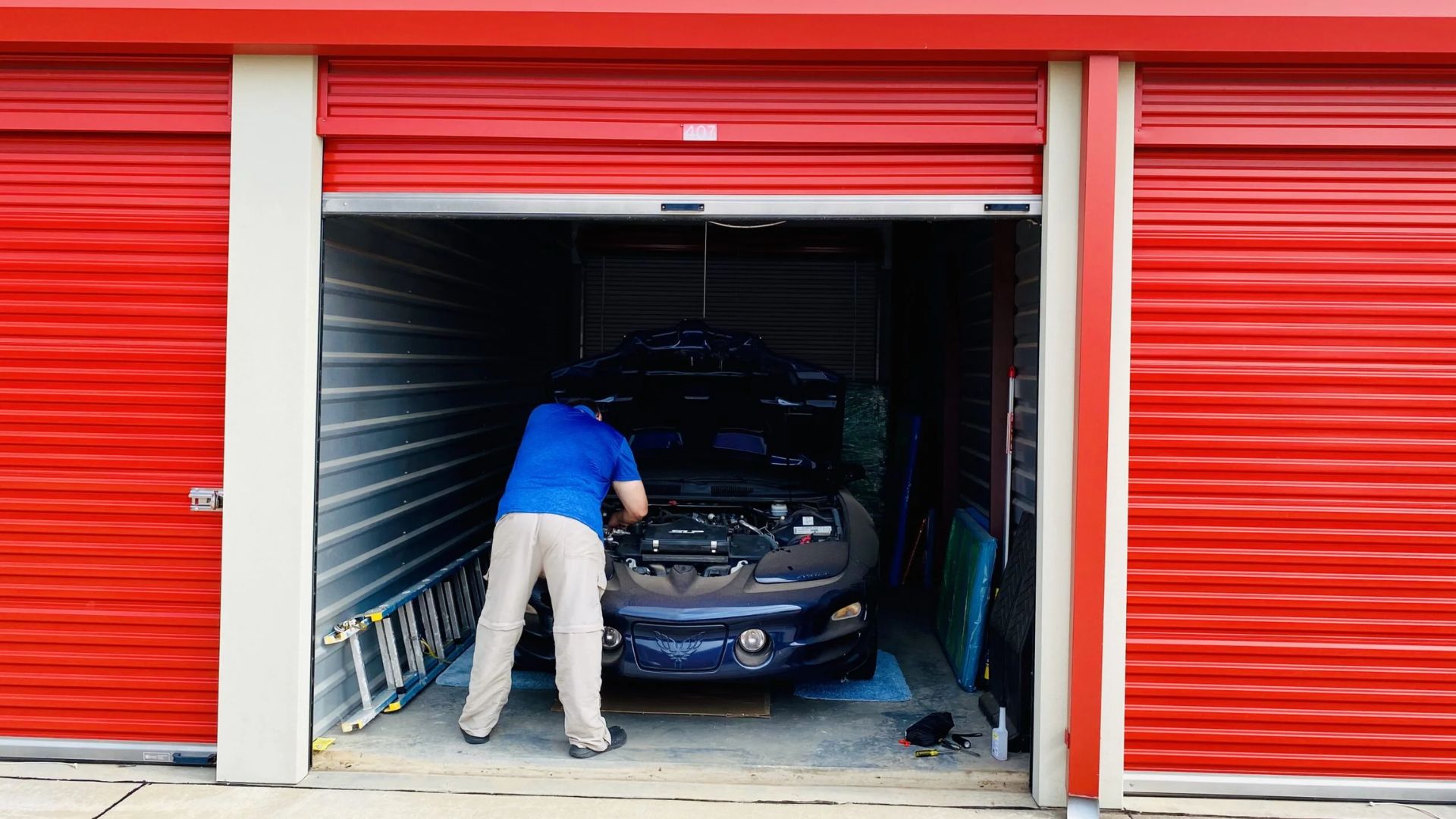
Protecting your car’s exterior and interior during storage prevents rust, paint damage, and mold. Targeted measures against pests and moisture maintain mechanical integrity and interior materials. Below are essential steps to safeguard surfaces and prevent pest damage while keeping your car in storage:
1. Exterior Protection
A well-maintained exterior prevents rust, corrosion, and paint damage, even in short-term storage.
Thorough Cleaning and Drying: Wash and dry all surfaces, including the undercarriage, to remove road salt, dirt, and debris. Proper cleaning prevents the buildup of corrosive materials that can damage metal and painted surfaces over time.
Wax Application: Apply a high-quality wax coat to create a protective barrier against environmental contaminants. Waxing preserves paint integrity and reduces the risk of oxidation or fading.
Lubricate Hinges and Condition Seals: Lubricate door hinges and treat rubber seals to prevent cracking or sticking. This protects moving parts and ensures doors and windows function properly when the car is back in use.
Fitted Breathable Car Cover: Cover the vehicle with a fitted, breathable car cover to prevent dust accumulation while allowing airflow. Proper ventilation reduces condensation and helps prevent mold and surface moisture.
2. Interior Preparation
Maintaining the interior prevents odors, mold, and upholstery deterioration during storage.
Deep Cleaning: Vacuum and clean all surfaces, including carpets, leather, and fabric. Removing dirt and debris reduces the chance of stains and long-term damage.
Remove Attractants: Remove all food, paper, and organic materials that could attract pests. This step minimizes the risk of rodents or insects damaging interior surfaces.
Humidity Control: Place moisture absorbers inside the cabin to reduce humidity. Reducing interior moisture helps prevent mold, mildew, and odor buildup.
Conditioning Surfaces: Condition leather or vinyl surfaces to prevent stiffness, cracking, or fading over time. Proper treatment preserves flexibility and appearance during long-term storage.
3. Pest Prevention
Rodents and insects can cause severe damage to wiring, upholstery, and interior components.
Seal Entry Points: Close all potential entry points, including exhaust pipes, air intakes, and gaps in weather stripping. Blocking access protects the vehicle from unwanted pests.
Natural Deterrents: Place peppermint oil-soaked cotton balls, cedar chips, or other natural repellents around the vehicle. These methods discourage rodents and insects without introducing harmful chemicals.
Regular Inspections: Inspect the vehicle periodically for early signs of pest activity. Early detection prevents severe damage and reduces long-term maintenance costs.
Remove Interior Attractants: Ensure there are no leftover crumbs, organic debris, or food inside the cabin. Keeping the interior free of attractants minimizes the risk of infestations.
For vehicle owners in Stewartville, facilities like Bear Cave Storage provide indoor and outdoor units with 24/7 security and gated access, ensuring your car stays protected from the weather, pests, and remains easily accessible.
Now, let’s look at the essential steps for ongoing maintenance to keep your vehicle in top condition throughout its storage period.
Ongoing Maintenance During Car Storage
Even a properly prepared vehicle requires periodic attention to prevent deterioration and maintain optimal condition during storage. Routine inspections help preserve vehicle integrity during long-term storage.
Engine Operation: Start the engine for 10–15 minutes in a well-ventilated area to circulate fluids and lubricate mechanical components. This keeps seals flexible and prevents corrosion.
Tire Care: Move or slightly roll the vehicle periodically to avoid flat spots and maintain tire shape during extended inactivity.
Fluid and Leak Inspection: Check for leaks, condensation, or signs of pest activity to detect potential issues early and prevent damage.
Tire Pressure Maintenance: Verify and top off tire pressures as needed to preserve tire integrity and prevent deformation.
Regular attention during storage helps keep your vehicle ready for use and prevents long-term mechanical or cosmetic issues. Small, consistent checks safeguard performance and extend lifespan.
Conclusion
Knowing how to maintain a car in storage protects your investment from mechanical failures, corrosion, battery degradation, tire damage, and pest activity. Proper preparation, storage selection, and ongoing maintenance ensure your vehicle remains functional and safe when you return.
For Stewartville residents, Bear Cave Storage offers secure indoor and outdoor units to protect vehicles, RVs, and boats from weather, moisture, and unauthorized access. With 24/7 security, gated entry, and convenient drive-up access, your vehicle stays safe, protected, and easily accessible year-round.
Visit Bear Cave Storage or contact us today to reserve your storage space and keep your vehicle protected year-round.
FAQs
1. How long can a vehicle be stored safely without maintenance?
A. A properly prepared vehicle can be stored for several months with minimal risk. Monthly check-ins, fluid monitoring, and tire pressure adjustments are critical. Climate-controlled storage reduces the risk of corrosion and moisture. Avoid storing vehicles without preparation for more than three months.
2. Is it safe to store my RV or boat alongside my car in winter?
A. Yes, provided each vehicle has adequate space, ventilation, and protection from moisture. Separate vehicles prevent accidental scratches or dents, and using proper covers and secure storage units ensures cars, RVs, and boats remain safe and maintain mechanical and cosmetic integrity.
3. Can moisture in Stewartville affect a stored vehicle?
A. Yes, high humidity and snow can promote rust, corrosion, and mold inside and outside your car. Using climate-controlled storage or moisture absorbers inside the cabin reduces condensation, protects metal surfaces, and preserves electronics, upholstery, and interior components throughout the storage period.
4. What should I do if my car develops minor rust during storage?
A. Address rust early to prevent further damage. Clean the affected area, apply a rust inhibitor or protective coating, and store the vehicle in a dry, well-ventilated environment. Prompt action preserves paint and prevents corrosion from spreading to metal components.
5. What should I do when returning my car to daily use?
A. Inspect fluids, belts, hoses, tires, and battery condition. Start the engine for several minutes to circulate fluids and warm components. Drive gently for the first few miles and monitor for unusual noises, smells, or warning lights.